
 EN
EN
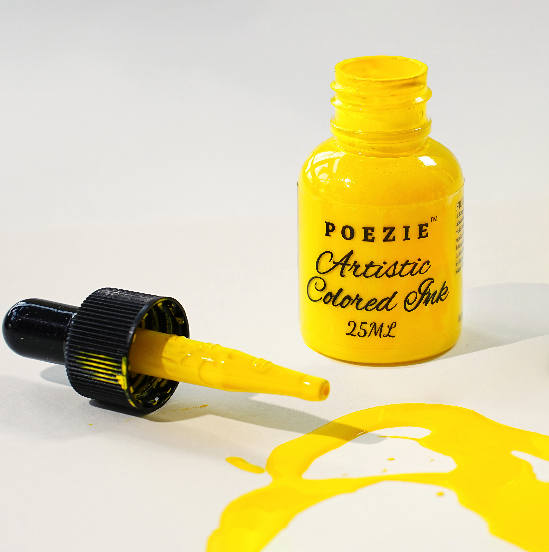
Cómo la energía superficial y la química determinan la adherencia de la tinta acrílica
Por qué la emulsión polimérica a base de agua de la tinta acrílica requiere una energía superficial equilibrada, y no solo absorbencia
La durabilidad y flexibilidad de la tinta acrílica dependen de su química de emulsión polimérica al adherirse a distintas superficies. A menudo se habla mucho de la absorbencia, pero en realidad lo que más importa es la energía superficial, que medimos en unidades de milinewton por metro (mN/m). Para lograr una buena humectación y una verdadera unión a nivel molecular, la energía superficial del material sobre el que imprimimos debe ser mayor que la tensión superficial de la propia tinta. Si esto no se cumple, los problemas surgen rápidamente. Una energía superficial demasiado baja hace que la tinta forme gotas en lugar de extenderse adecuadamente. Sin embargo, si se exagera en sentido opuesto, la tinta se absorbe de forma incontrolada en el material, lo que arruina todo: desde la saturación del color hasta la definición de los bordes y la estabilidad de las capas con el paso del tiempo.
El intervalo óptimo de tensión superficial para una humectación constante y una formación adecuada de película con tinta acrílica: 38–42 mN/m
La mejor adherencia para la tinta acrílica se logra cuando las superficies presentan una energía superficial dentro de un rango bastante estrecho, aproximadamente entre 38 y 42 milinewtons por metro. Cuando nos encontramos en este punto óptimo, la emulsión polimérica se extiende uniformemente, se seca a un ritmo adecuado y forma películas lisas que no se agrietan fácilmente. Estas películas establecen, de hecho, enlaces moleculares con la superficie sobre la que se aplican. Sin embargo, si la energía superficial cae por debajo de 38 mN/m, ocurre un problema: la tinta tiende a retractarse en lugar de adherirse correctamente. Por otro lado, si la energía superficial supera los 42 mN/m, se produce el problema opuesto: la tinta se absorbe en exceso, lo que debilita la película y reduce su opacidad. Para materiales poco absorbentes o con baja energía superficial natural —como piezas plásticas o componentes metálicos— existen soluciones. Técnicas como el tratamiento por plasma o la aplicación de imprimaciones especiales pueden elevar la energía superficial hasta ese rango ideal en el que todos los componentes funcionan correctamente en conjunto.
Superficies de alto rendimiento para tinta acrílica: papel, lienzo y tejido natural
Papel de algodón archivístico y papel para acuarela de superficie lisa: granulación, encollado y pH óptimos para capas vibrantes y sin grietas de tinta acrílica
El papel de algodón para archivos funciona tan bien porque logra un buen equilibrio entre distintas características. La textura presenta justo la cantidad adecuada de granulación para retener la pintura sin absorberla por completo. Su nivel de pH se mantiene en un rango seguro, desde neutro hasta ligeramente alcalino (aproximadamente entre 7,0 y 8,5), lo que ayuda a evitar el desvanecimiento de los colores con el tiempo debido a daños por acidez. Lo que hace especial a este papel es su capacidad para controlar la absorción de humedad tanto en el interior como en la superficie. Esta regulación ralentiza lo suficiente el secado como para prevenir la aparición de grietas, pero aun así permite superponer capas de forma uniforme y sin problemas. Para quienes buscan una superficie más lisa para trabajos artísticos detallados, el papel para acuarela de prensa caliente es la opción ideal. Viene con un tampón alcalino cuyo pH es de al menos 8,5, lo que prolonga la durabilidad de los colores frente a la exposición a la luz. Además, el papel incorpora un encolado a base de gelatina que actúa como una barrera parcial. Esto permite obtener líneas más nítidas y menos sangrado entre capas cuando se utiliza correctamente con yeso (gesso) u otros medios con los que la mayoría de los artistas están familiarizados.
Lienzo previamente estirado y lino de trama media: cómo la formulación de la imprimación y la densidad del tejido controlan el sangrado y la nitidez de los bordes
El rendimiento depende menos del tejido en sí y más de cómo la imprimación interactúa con la estructura de la trama. La imprimación acrílica —a diferencia de las capas base tradicionales a base de cola— mantiene su flexibilidad y adherencia ante cambios térmicos y de humedad, evitando microgrietas con el paso del tiempo. La densidad del tejido determina la acción capilar y el confinamiento de la tinta:
| Tipo de Superficie | Densidad de tejido | Capas de imprimación | Control del sangrado |
|---|---|---|---|
| Lino de trama media | 180–220 hilos/cm² | 2–3 capas | Absorción mínima |
| Algodón de trama apretada | 150–180 hilos/cm² | 1–2 capas | Bleed moderado |
El tejido más apretado y de menor absorción de la lino confina la tinta a las fibras superficiales, mejorando la nitidez de los bordes y la retención del pigmento. Lienzo sellado con triple imprimación de yeso acrílico polimérico proporciona una base sellada y dimensionalmente estable, reduciendo significativamente la migración del pigmento y garantizando un secado uniforme en áreas extensas.
Adaptación de la tinta acrílica a soportes desafiantes: madera, tablero de arcilla y cerámica
Preparación esencial de la superficie: lijado, sellado e imprimación con yeso acrílico para lograr una fijación fiable de la tinta acrílica sobre soportes porosos no papeleros
Trabajar con madera, tablero de arcilla y superficies cerámicas requiere una preparación cuidadosa, ya que estos materiales tienen niveles naturales de porosidad desiguales y características superficiales distintas. Comience lijando con papel de lija de grano 220 para crear pequeñas irregularidades que ayuden a que los adhesivos se fijen mejor al material. A continuación, aplique un sellador como poliuretano o goma laca. El objetivo es reducir la tensión superficial, evitando que la tinta sea absorbida demasiado rápidamente antes de lograr una aplicación uniforme sobre toda la pieza. Después siguen dos capas de yeso acrílico (gesso). No olvide lijar brevemente cada capa entre aplicaciones para asegurar que el resultado final sea liso y plano, casi como el papel. Todo este proceso evita que los colores se hundan en el material, permite que los pigmentos se acumulen adecuadamente y mantiene la obra de arte en buen estado durante años. Profesionales de museos han observado fallos bastante graves cuando los artistas omiten estos pasos. Sus ensayos demuestran que las superficies no preparadas fallan aproximadamente un 60 % más a menudo en condiciones de alta humedad, principalmente porque los recubrimientos no se adhieren correctamente y terminan descascarillándose gradualmente del material base.
Superficies que evitar o modificar para el uso de tinta acrílica
Trabajar con superficies sin imprimar presenta varios desafíos a la hora de lograr una buena adherencia. El lienzo sin imprimar tiende a absorber la tinta de forma irregular, lo que hace que los colores se vean más apagados y provoca que migren gradualmente sobre la superficie. ¿Una solución sencilla? Aplicar primero de 2 a 3 capas de gesso acrílico o de imprimación látex convencional. Las cerámicas y el vidrio brillantes resultan difíciles porque simplemente no adhieren bien. Sus superficies lisas y su falta de porosidad los hacen resistentes a la fijación. Antes de aplicar cualquier producto, limpie bien estas superficies con alcohol isopropílico. Y recuerde aplicar una capa protectora superior utilizando un sellador seguro para alimentos si está fabricando un objeto que entrará en contacto con la boca. La madera sin tratar plantea otro problema distinto: se hincha y deforma debido a la humedad presente en las pinturas acrílicas. Lije hasta alcanzar al menos un grano de 220 y, a continuación, aplique un medio acrílico transparente como capa base para mantener la estabilidad. Al trabajar con lienzos tensados, tenga cuidado con los problemas de hundimiento al aplicar capas gruesas y húmedas. Refuerce la parte trasera con paneles rígidos durante la pintura y el secado. Los materiales sintéticos, como las telas de poliéster, generan sus propios inconvenientes, ya que impiden que la pintura penetre adecuadamente. Esto da lugar a una adherencia débil y, con el tiempo, al desprendimiento total de la pintura. Siempre que sea posible, prefiera fibras naturales. Si no tiene más remedio que usar sintéticos, pruebe a mezclar un medio textil para ayudar a mejorar la unión entre la tela y la pintura.
Preguntas frecuentes
¿Por qué es importante la energía superficial para la adherencia de la tinta acrílica?
La energía superficial influye en qué tan bien moja y se une la tinta acrílica. La energía superficial del material debe ser mayor que la tensión superficial de la tinta para lograr una adherencia efectiva.
¿Cuál es el rango ideal de tensión superficial para la tinta acrílica?
El rango óptimo está entre 38 y 42 milinewtons por metro. Si cae por debajo de 38 mN/m, la adherencia es deficiente; si supera los 42 mN/m, se produce una absorción excesiva de la tinta.
¿Se puede aplicar tinta acrílica sobre superficies de cerámica y vidrio?
Sí, pero requieren una preparación cuidadosa de la superficie, como limpiar con alcohol isopropílico y usar un sellador apto para contacto con alimentos, para garantizar una adherencia adecuada y seguridad.
Tabla de contenidos
- Cómo la energía superficial y la química determinan la adherencia de la tinta acrílica
-
Superficies de alto rendimiento para tinta acrílica: papel, lienzo y tejido natural
- Papel de algodón archivístico y papel para acuarela de superficie lisa: granulación, encollado y pH óptimos para capas vibrantes y sin grietas de tinta acrílica
- Lienzo previamente estirado y lino de trama media: cómo la formulación de la imprimación y la densidad del tejido controlan el sangrado y la nitidez de los bordes
- Adaptación de la tinta acrílica a soportes desafiantes: madera, tablero de arcilla y cerámica
- Superficies que evitar o modificar para el uso de tinta acrílica
- Preguntas frecuentes