
 EN
EN
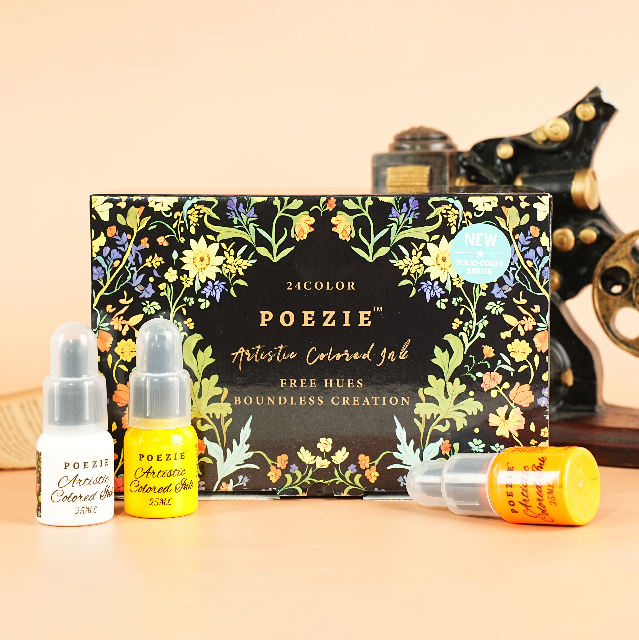
Technical Foundations: Why Acrylic Ink Delivers Brand-Consistent Color & Adhesion
Pigment Stability and Cross-Run Color Reproducibility
The reason acrylic ink maintains such consistent colors across different production batches has to do with those special pigments wrapped in polymers. These little capsules protect against UV damage and unwanted chemical reactions that can mess with color quality. When compared to solvent based options, acrylic inks show almost no difference in color between batches - we're talking less than 2 units on the Delta E scale, which is exactly what brands need when matching their Pantone colors for logos and marketing materials. What makes this possible? The way acrylic resins are built at a molecular level stops the pigments from moving around during the drying process. Print shops actually benefit a lot from this because their digital presses can hit about 98 percent color accuracy right out of the gate, even if there's been several months since the last print job for a particular client.
Reliable Adhesion Across Common Brand Substrates (Textiles, Coated Paper, Rigid Plastics)
The acrylic copolymer formulation enables strong, durable adhesion across diverse surfaces via polarity-matching chemistry:
| Substrate | Adhesion Mechanism | Durability Benchmark |
|---|---|---|
| Cotton/Polyester | Fiber penetration + surface cross-linking | 50+ industrial washes (AATCC 61) |
| Coated Paper | Hydrogen bonding with cellulose | Rub resistance (≥4 on ASTM D5264) |
| PET/Rigid PVC | Solvent-free chemical anchoring | 5-year outdoor weathering |
This multi-material compatibility eliminates the need for substrate-specific ink inventories. Acrylic's inherent flexibility also accommodates thermal and mechanical expansion without cracking—a distinct advantage over rigid UV-cured inks.
Drying Behavior and Compatibility with High-Speed Digital Production Systems
Acrylic ink dries to the touch within about 0.8 seconds when temperature hits around 65 degrees Celsius thanks to fast water evaporation, which allows printing speeds above 75 meters per minute on those roll-to-roll setups many manufacturers use today. The ink maintains a nice consistent thickness range between 12 and 18 centipoise at room temperature, so it doesn't block nozzles in piezoelectric printheads even after running all day long without maintenance breaks. What makes this stuff really stand out though is how safe it is for workers. Being low odor and non hazardous means factories can meet OSHA requirements without extra precautions, plus it works great with common finishing steps like laminating or cutting shapes right into printed materials as they come off the press. Switching to this kind of ink cuts down on production delays by roughly 30 percent compared to older hybrid systems that needed special curing equipment separate from the main printing process.
Operational Scalability: Acrylic Ink for Agile, Low-to-Mid Volume Brand Runs
Optimizing Minimum Batch Size Without Compromising Color Accuracy or Ink Efficiency
Acrylic ink makes small batch customization economically feasible even for runs as low as 50 units, which is about 63% cheaper than what we see with solvent-based options. Plus, it keeps colors consistent within less than 1 Delta E difference between batches. The reason? High pigment concentration means printers get uniform results when running multiple short jobs, something that saves money because there's less wasted ink trying to match colors after switching between orders. Speaking of savings, advanced calibration before printing can cut down on initial ink usage by somewhere around 40 to 60 percent according to those third party quality checks most companies rely on these days. And let's not forget about the rapid curing aspect either. Print heads stay clear during breaks in production, so when operators need to restart after a pause, they don't have to purge out all that expensive ink just to get things going again. This translates into roughly 15 to 25% better material usage rates for shops focusing on shorter print runs.
Seamless Integration with Brand-Centric RIP Workflows and Digital Asset Management
Acrylic ink systems today work seamlessly with Pantone color libraries and ICC profiles thanks to specialized RIP software from different brands. This automatically matches colors across digital asset management platforms used throughout production. Workflows driven by metadata mean fewer hands-on tweaks and companies report around 70% faster approvals before production starts. The system connects directly via APIs to apply specific rendering rules based on materials used, all while keeping logo versions and design standards consistent across departments. What makes this setup particularly valuable is its modular nature. When brand guidelines change over time, there's no need to replace hardware. This flexibility cuts down integration time roughly in half when preparing for new seasonal collections, something many manufacturers find extremely beneficial during peak seasons.
Commercial Viability: Total Cost of Ownership and Brand ROI with Acrylic Ink
Looking at acrylic ink from a total cost of ownership perspective shows real business benefits. The color stays consistent throughout production runs, which cuts down on wasted materials by around 22% according to industry reports from last year. Factories spend less time adjusting machines manually, so labor expenses drop. Plus, these inks work great with modern fast printing equipment without causing the kind of breakdowns we see with traditional solvent options. Maintenance stops become less frequent, keeping operations running smoothly day after day.
Investing in quality materials pays off in ways that go far beyond just saving money on manufacturing costs. According to recent research from the Consumer Packaging Study in 2023, companies see around 34 percent better memory retention when products maintain accurate colors throughout their lifecycle, which naturally leads to stronger sales performance. Products made with durable materials last much longer whether they're fabric items, plastic goods, or even paper products with special coatings. This means customers don't have to replace them as often. For outdoor applications specifically, prints treated against UV damage stay bright and colorful for at least five years outside. Think about those eye-catching banners at construction sites or signage near highways that still look good after months of sun exposure. These lasting visuals keep brands visible in public spaces for extended periods without constant maintenance or replacement costs.
| TCO Factor | Acrylic Ink Advantage | ROI Impact |
|---|---|---|
| Waste Reduction | 18–22% lower substrate usage | $0.14 savings per unit |
| Labor Efficiency | 30% faster setup times | 15% throughput increase |
| Durability | 5+ year outdoor colorfastness | 40% lower reprint costs |
Digital precision ensures 98% color match across batches, eliminating costly quality disputes. For brands executing customized campaigns at scale, acrylic ink transforms batch production from an operational burden into a strategic profit center.
Real-World Validation: How a Premium Apparel Brand Achieved Scalable Brand Consistency Using Acrylic Ink
From First Sample to 5,000-Unit Launch: Measuring Color Delta, Waste Reduction, and On-Time Delivery
When a high-end athleisure company switched from old school screen printing to acrylic ink for their special edition collection, they saw some impressive results right away. Their first samples hit that sweet spot where colors look almost identical to the original design (we're talking Delta E below 1.5 on cotton-polyester blends). Scaling up wasn't a problem either - they managed to produce around 5,000 pieces with nearly perfect color matching between batches (about 98%), which basically eliminated any need for reprinting defective items. Waste materials went down by roughly 40% compared to what they used before because this new method deposits ink so precisely and cures much faster. Even those complicated geometric patterns that usually take extra time? No issues there thanks to the streamlined digital process. Everything shipped on schedule without delays. Looking at this real world example shows why many brands are making the switch to acrylic inks these days. It keeps their quality standards intact while letting them ramp up production quickly when needed.
FAQ
What are the benefits of using acrylic ink over solvent-based inks?
Acrylic inks offer consistent color reproduction, reliable adhesion across various substrates, faster drying times, lower odor, non-hazardous properties, and potential cost savings due to reduced waste and efficient production processes.
How does acrylic ink ensure consistent color matching?
Acrylic ink utilizes special pigments wrapped in polymers that protect against UV damage and prevents unwanted chemical reactions, ensuring less than 2 units difference in color on the Delta E scale during cross-run color reproducibility.
Is acrylic ink suitable for small batch production?
Yes, acrylic ink is economically feasible for small batch customization, maintaining color accuracy within less than 1 Delta E difference, and reducing ink usage and waste, especially beneficial for low-to-mid volume brand runs.
How does the drying behavior of acrylic ink benefit high-speed digital production systems?
Acrylic ink dries quickly due to fast water evaporation, allowing high-speed printing above 75 meters per minute, maintaining consistent ink viscosity to avoid nozzle blockage, and supporting safe and efficient production compliance with OSHA requirements without extra precautions.
Table of Contents
- Technical Foundations: Why Acrylic Ink Delivers Brand-Consistent Color & Adhesion
- Operational Scalability: Acrylic Ink for Agile, Low-to-Mid Volume Brand Runs
- Commercial Viability: Total Cost of Ownership and Brand ROI with Acrylic Ink
- Real-World Validation: How a Premium Apparel Brand Achieved Scalable Brand Consistency Using Acrylic Ink