
 EN
EN
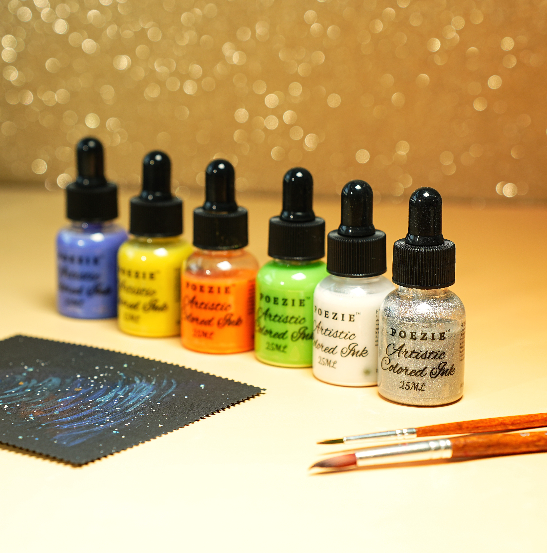
Acrylic Ink Color Matching Capabilities for Brand Identity
Pantone Matching System (PMS) Replication with Acrylic Ink
These days, modern acrylic inks can match Pantone colors almost exactly, which matters a lot for branding stuff like signs, product packaging, and marketing materials where color consistency is everything. The way pigments are dispersed these days gets Delta E readings below 2.0 when compared to reference samples, which beats the standard industry benchmark of around 3.0 that most people can't even see the difference at. Water based acrylics really shine with medium toned colors, keeping them opaque and true to color whether printing on things like cotton fabric or canvas, or smoother surfaces such as plastic sheets and acrylic panels without losing quality.
Chroma Stability and Hue Range Limitations vs. Pigmented Inks
While acrylic inks offer strong color-matching versatility, their chroma stability faces constraints under extreme environmental stress. Accelerated weathering tests show a 15–20% chroma shift in high-UV exposure—greater than the 8–12% observed with solvent-based pigmented inks. The most notable gamut limitations occur in:
- Neon and fluorescent ranges (covering ~80% of the Pantone® Neon Guide)
- Deep metallics, where mica additives compromise adhesion
- Near-black formulations, where high carbon loading can reduce film flexibility
Brands deploying acrylic inks for outdoor use should conduct 500-hour QUV testing prior to full-scale production. Research confirms that consistent color execution increases brand recognition by up to 80%, underscoring the strategic value of rigorous pre-deployment validation.
Ensuring Color Consistency Across Production Runs
Batch-to-Batch Reproducibility in Water-Based Acrylic Ink Systems
Achieving reliable color consistency across manufacturing batches demands strict control over three formulation and process variables:
- Ink viscosity, held within ±5% tolerance using rheological modifiers
- Polymer binder ratios, fixed at the formulation stage to prevent phase separation
- Drying conditions, maintained at 65–75°C with humidity fluctuations ≤5%
When implemented rigorously, these controls enable water-based acrylic ink systems to achieve >98% color consistency across sequential production runs under controlled conditions.
Spectrophotometric Calibration and Delta E ≤1.5 Tolerance Protocols
Spectrophotometric validation is the technical foundation of color consistency assurance. Modern workflows quantify deviation using Delta E (ΔE), with ≤1.5 established as the commercial threshold for human-perceived color identity. A three-tiered calibration protocol ensures precision at every stage:
| Process Phase | Quality Control Step | Acceptable Range |
|---|---|---|
| Pre-production | Baseline spectrophotometer calibration | ΔE ≤0.2 vs master standard |
| Mid-run | Hourly printed swatch verification | ΔE ≤1.0 |
| Post-run | Final batch certification | ΔE ≤1.5 |
Automated alert systems trigger recalibration when deviations exceed ΔE 0.5 during live runs. Facilities adopting this protocol report up to 40% annual reduction in color-related waste.
Substrate-Driven Customization of Acrylic Ink Formulations
Polymer Binder Optimization for Porous (Fabric) and Non-Porous (PET, Metalized Film) Substrates
The way acrylic inks perform really depends on how their polymer binders are engineered for specific surfaces. When working with porous stuff like cotton or canvas, manufacturers create binders that have lower viscosity and special additives that help them penetrate deeper into the material. This helps keep pigments from spreading out sideways and maintains those crisp edges artists want. Things change completely when dealing with non-porous surfaces such as PET plastic or metal coated films. These need totally different binders that repel water and contain chemical crosslinkers. According to recent research published in J. Mater. Res. Technol. (2024), these specialized binders can boost adhesion strength by around 40% over standard options. Another important factor is something called glass transition temperature, or Tg for short. Materials with low Tg values below 10 degrees Celsius stay flexible enough for fabrics without cracking, whereas higher Tg versions above 50 degrees offer better protection against scratches on hard surfaces. Get this balance wrong and companies end up facing problems like uneven color coverage, colors fading quickly, and ultimately damaging their reputation in the market.
Validating Accuracy: Acrylic Ink Proofing in Prepress Workflows
Prepress proofing acts as that critical step where we check if colors are right on target for those custom acrylic ink mixes before going into full scale production. Designers and brand folks can look at both digital mockups and actual printed samples to spot any differences compared to what's officially approved, catching problems early saves everyone headaches later when expensive reprint runs become necessary. The process usually includes some sort of spectrophotometer testing to keep Delta E values below 1.5 across different materials, which means the final product should match exactly what clients asked for. When companies build this scientific checking into their prepress work, they get consistent colors every time and maintain that same look throughout everything customers see, from packaging to advertising materials.
Frequently Asked Questions
What is Delta E in color matching?
Delta E (ΔE) is a numerical standard used to quantify the difference between two colors. Lower values indicate closer matches between hues.
Why are acrylic inks preferred for branding?
Acrylic inks are popular for branding because they provide consistent color matching and can replicate Pantone colors almost exactly.
What are polymer binder ratios?
Polymer binder ratios refer to the fixed proportions in ink formulations that prevent phase separation and maintain consistency across production.