
 EN
EN
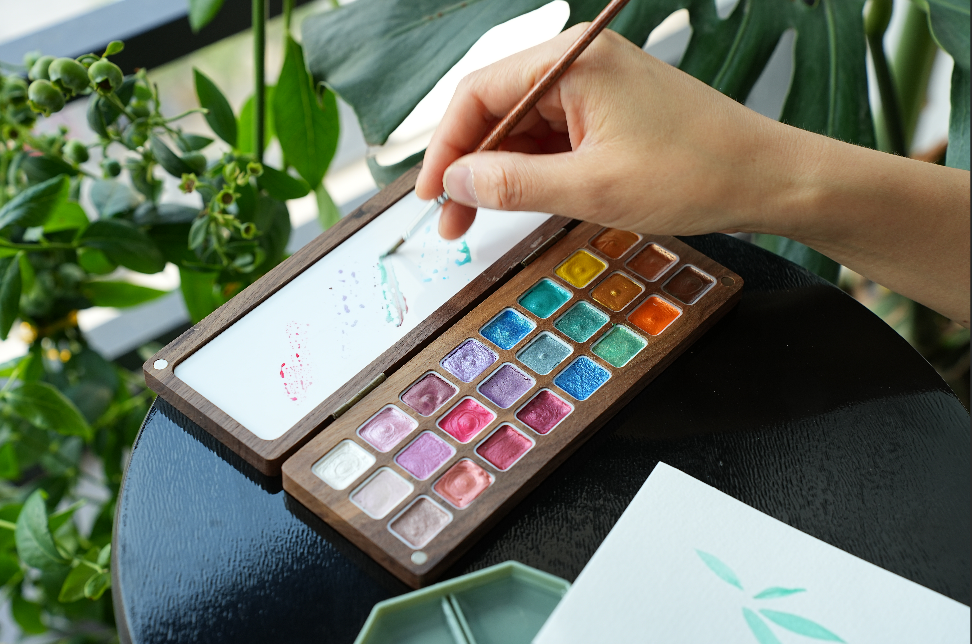
Student vs. Professional Watercolor Paint: Matching Grade to Learning Goals
Pigment concentration, binder quality, and lightfastness in educational contexts
Student grade watercolor paints generally have around 30 to 50 percent less pigment compared to their professional counterparts. Manufacturers cut costs by adding fillers such as kaolin clay instead. This affects the colors' intensity and makes blends look less refined, but these paints still work well enough for learning basics like wet on wet washes, creating gradual color shifts, and mixing primary colors together. The binders used in student paints, mostly gum arabic, are formulated more for easy cleaning rather than lasting forever. This matters a lot in classrooms where multiple students need to clean up quickly after painting sessions. When it comes to how long colors stay vibrant, student paints usually reach at least ASTM III rating which is acceptable for school projects displayed temporarily. Professional quality paints hit much higher standards with ASTM I or II ratings, meaning they won't fade nearly as fast when exposed to normal classroom lighting over years.
Classroom durability, washability, and consistency across batches
Student-grade formulations are engineered for practical classroom resilience:
- Durability: Pans resist cracking during transport and repeated use in mobile art carts
- Washability: Easily rinsed from skin, fabrics, and surfaces with plain water
-
Batch consistency: Industrial-scale production ensures uniform hue and behavior across thousands of units
Professional paints, by contrast, often vary between batches due to hand-milling and natural pigment sourcingâmaking them less reliable for group activities requiring precise color matching. Research indicates student-grade pans retain functional integrity through 200+ cleanings, aligning closely with the average Kâ12 art project cycle.
Watercolor Paint Formats for Collaborative and Adaptive Art Instruction
Pans, tubes, and liquid watercolor: pros and cons for group work and skill progression
The type of watercolor materials used has a big impact on how students learn and develop skills. Watercolor pans are great for young kids because they're easy to carry around, don't spill much, and give good feedback when learning to hold brushes properly. These solid blocks also teach kids to manage water better, which is fundamental for any artist starting out. Tube watercolors have more pigment and let artists mix colors in all sorts of ways, so they work well for students who want to explore color theory more deeply. But teachers need to watch out for problems like tubes drying out, getting squeezed too hard, or uneven paint distribution during group activities. Liquid watercolors create vibrant colors right away and can be diluted easily, making them perfect for big group projects where everyone gets to experiment with colors freely. However, these liquids need better hand control, which can frustrate beginners still working on fine motor skills. When choosing materials, match them to skill level generally speaking: start with pans for basic control, move to tubes for mixing practice, and save liquids for more advanced techniques involving gradients and transparent layers.
Half-pan sets and refillable systems for budget-conscious, sustainable classrooms
Using half pan watercolor sets instead of full size ones cuts down on materials costs somewhere around 30 to 40 percent without sacrificing quality. Schools with shrinking budgets and cramped storage areas find these smaller containers particularly helpful. The compact design means artists can still access a good range of colors even when space is at a premium, which makes all the difference for those rolling art carts through hallways or dealing with jam packed classrooms. What really stands out though are the refill options available now. Teachers simply grab some bulk paint tubes and refill the empty pans with basic kitchen tools, cutting down on tons of plastic waste that would otherwise end up in landfills. According to recent data from various school districts, switching to refills saves about two thirds of what schools typically spend each year on throwaway watercolors. Beyond just saving money, these half pans actually help make art classes more accessible too. Students who struggle with organizing their supplies benefit from the clearer layout of colors in smaller containers. And having refill stations set up around the room teaches kids how to manage resources themselves when working together on group projects. This combination of eco friendly practices and better accessibility has become a standard part of modern art education.
Curating a Pedagogically Sound Watercolor Paint Palette
Warm/cool primaries and single-pigment transparency for reliable color mixing practice
An art palette that separates warm and cool variations of primary colors makes teaching much easier. For instance, having both cadmium red (which leans warm) and quinacridone rose (cooler version) shows students exactly how temperature impacts what happens when colors mix together. This approach stops those frustrating muddy results that happen so often with those convenience colors packed with multiple pigments. Teachers who focus on single pigment transparent paints like phthalo blue or hansa yellow find their classes get better at layering techniques, cleaner overlays form, and colors behave predictably even between different paint batches. These are important factors when doing repeated practice with glazing techniques or experiments with optical mixing effects. Studies have shown that when students work with these standard pigments, they can replicate color mixes accurately around 85% of the time. This kind of consistency really helps solidify theory into actual skills students can apply again and again.
Staining vs. non-staining watercolor paint: implications for layering, correction, and technique mastery
Non staining paints like yellow ochre or cobalt teal come off easily with just a damp brush or sponge. This makes them great for corrections when learning techniques such as graded washes, soft edges, and those subtle glazes that most beginner classes cover these days. About 70 something percent of basic art courses actually include these methods. On the other hand, staining colors such as alizarin crimson or phthalo green stick right into the paper fibers, forming lasting vibrant layers perfect for adding depth and intensity in more complex artwork. Good artists keep both types around because they serve different purposes at different stages. Start with the non staining stuff to get comfortable with handling paint and controlling results. Once students start feeling confident enough, they can move on to the staining colors which require more careful planning about how layers interact and what final values will look like after everything dries.
FAQ
What is the main difference between student and professional watercolor paints?
The main differences lie in pigment concentration, binder quality, and lightfastness. Student paints have less pigment and use fillers like kaolin clay, making them less intense but suitable for learning. Professional paints contain more pigment and offer better durability and color longevity.
Why are student-grade watercolor paints well-suited for classrooms?
They are designed for durability, washability, and consistent colors across large production batches. These features make them practical for classroom environments where easy cleanup and reliable performance are essential.
What are the pros and cons of different watercolor paint formats?
Pans are ideal for beginners due to their portability and ease of use. Tubes offer richer pigments but require more care in handling. Liquid watercolors are vibrant and easy to dilute but need careful hand control.
How do half-pan sets and refillable systems promote sustainability in schools?
They reduce material costs and plastic waste. Teachers can refill pans with bulk paint, fostering eco-friendly practices and making art classes more accessible, especially in budget-conscious settings.
How do warm/cool primaries and single-pigment transparency aid in learning color mixing?
Having warm and cool primary colors helps students understand temperature effects in mixing, while single-pigment transparency aids in predictable results and layering techniques.
What are the benefits of using non-staining vs. staining watercolor paints?
Non-staining paints are great for corrections and beginner techniques as they can be easily lifted off the paper. Staining paints adhere more permanently, offering depth and vibrancy in advanced artwork.
Table of Contents
- Student vs. Professional Watercolor Paint: Matching Grade to Learning Goals
- Watercolor Paint Formats for Collaborative and Adaptive Art Instruction
- Curating a Pedagogically Sound Watercolor Paint Palette
-
FAQ
- What is the main difference between student and professional watercolor paints?
- Why are student-grade watercolor paints well-suited for classrooms?
- What are the pros and cons of different watercolor paint formats?
- How do half-pan sets and refillable systems promote sustainability in schools?
- How do warm/cool primaries and single-pigment transparency aid in learning color mixing?
- What are the benefits of using non-staining vs. staining watercolor paints?