
 EN
EN
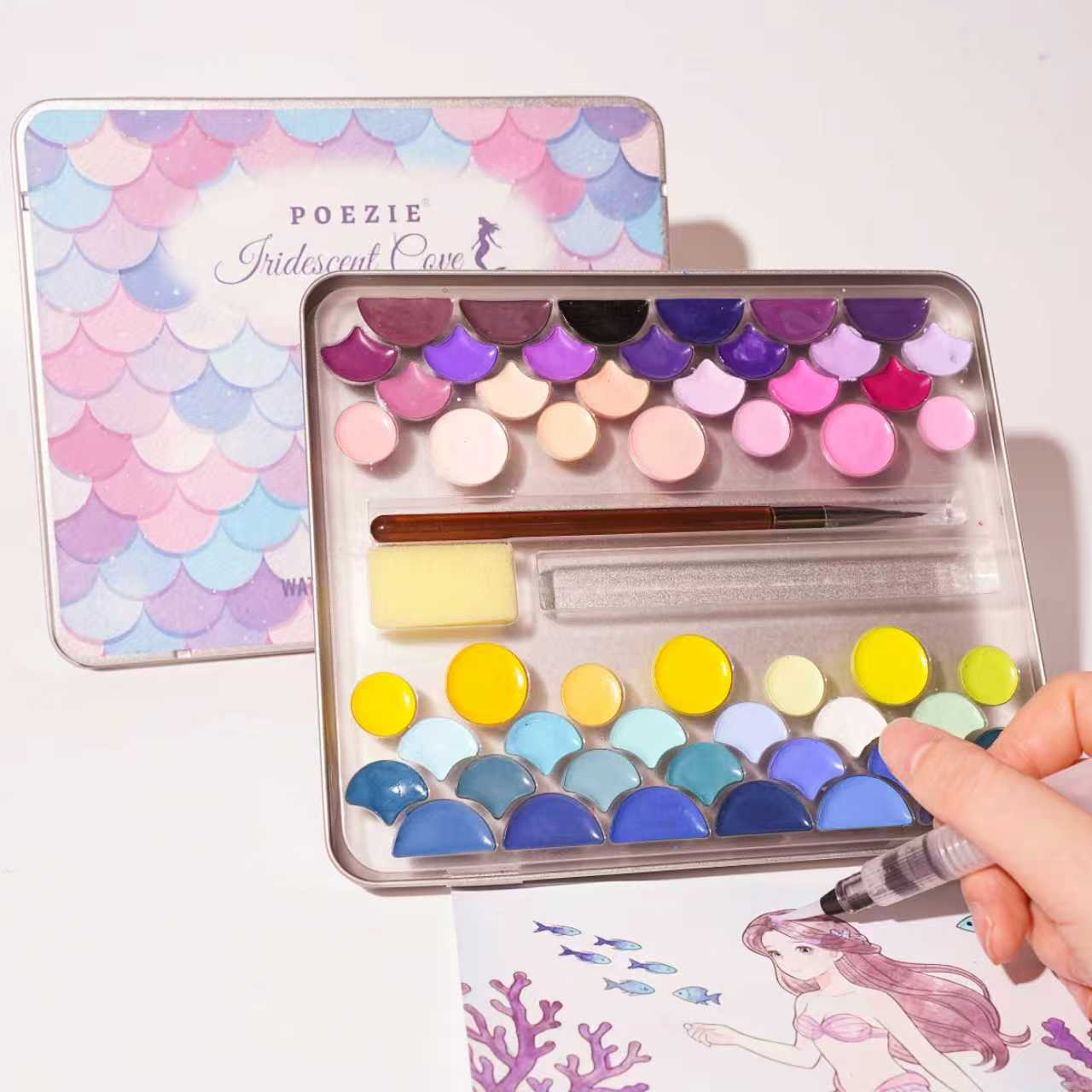
Why EN71-3 Matters for Watercolor Paint
Many people think watercolor paints are safe because they dissolve in water. But the reality is different. These paints actually contain pigments that release dangerous heavy metals like cadmium and lead when wet. Kids who put paintbrushes in their mouths or touch freshly painted surfaces risk ingesting these harmful substances. Studies have shown that even small amounts of these metals over time can damage brain development in children according to various toxicology research papers and European Union safety evaluations. The EN71-3 standard specifically tackles this issue by limiting how much of 19 different toxic elements can migrate from paints during tests that mimic contact with saliva at pH 1.5 levels. Watercolors work differently than regular coatings since they pack so much pigment and use materials like gum arabic that attract moisture. This unique composition means special safety checks are needed. Meeting these standards keeps bright colors safe for kids playing without close supervision, which happens frequently in classrooms and family homes alike. Companies that fail EN71-3 tests typically end up spending around 740 thousand dollars on product recalls according to a recent report from Ponemon Institute (2023). This shows why following safety regulations matters both morally and financially for manufacturers.
Key EN71-3 Requirements Specific to Watercolor Paint
EN71-3:2019+A2:2024 sets legally binding soluble heavy metal migration limits for toys, including watercolor paints. Testing uses an acidic aqueous extraction (pH 1.5) to simulate worst-case mouthing behavior, with quantification of 19 elements via ISO/IEC 17025-accredited methods like ICP-MS or AAS. Critical thresholds include:
- Lead (Pb): ¤ 13.5 mg/kg
- Cadmium (Cd): ¤ 1.7 mg/kg
- Chromium (Cr): ¤ 0.5 mg/kg
- Mercury (Hg): ¤ 7.9 mg/kg
Soluble Heavy Metal Limits in Aqueous Extraction (pH 1.5)
According to regulations, samples must undergo a one hour extraction process in hydrochloric acid solution with a pH level around 1.5 at approximately 37 degrees Celsius plus or minus 2 degrees. This setup mimics what happens inside the stomach when something comes into contact orally. To measure how much material migrates out, labs generally rely on either ICP MS technology or atomic absorption spectroscopy techniques. Both methods can pick up really tiny amounts of metal contamination, sometimes as low as 0.001 parts per million. Problems often pop up with older pigment formulations like cadmium red and chrome yellow colors. These traditional colorants tend to release too many heavy metals even if they were applied according to old industry standards for coloring materials back in the day. Many manufacturers still struggle with this issue despite updated safety requirements.
How Binders and Additives Affect Migration Behavior
The way binders and additives affect how metals get released matters quite a bit in product development. Take hydrophilic stuff like glycerin, sorbitol, and some humectants – these tend to make pigments dissolve more easily and actually boost metal migration rates somewhere between 15% to 30%. We see this effect most clearly with elements such as antimony and barium. On the flip side, when manufacturers use polymer modified binders, they create kind of a protective shield around those pigment particles which cuts down on leaching problems. When test results show that migration levels go past the EN71-3 standard of 47 mg/kg for either barium or antimony, companies usually need to tweak their formulas. Independent laboratories run accelerated aging tests to check if products will stay stable over time. These tests mimic what happens during regular storage conditions and everyday usage scenarios across approximately three years worth of exposure.
Step-by-Step Verification of Watercolor Paint Compliance
Sample Preparation: Dry Pigment vs. Reconstituted Paint Testing
Getting accurate EN71-3 results means checking both dry pigments and mixed paints. When we test dry pigments, we're looking at what heavy metals are already present in the raw stuff. The other part involves making up paint samples according to normal mixing ratios, like about 1 part pigment to 10 parts water. This helps us understand how kids might actually come into contact with these substances during real applications. For the actual testing process, around 100 milligrams of sample gets shaken in hydrochloric acid solution with a pH level of about 1.5. The temperature needs to stay close to body temperature, roughly 37 degrees Celsius give or take 2 degrees, for an hour before filtering through special membranes that catch particles smaller than half a micrometer. Why go through all this? Because there's a big difference between metals stuck in solid form versus ones that dissolve when mixed with water. Kids can accidentally inhale powdered materials or put wet paint in their mouths, so understanding this distinction matters a lot for safety assessments.
Analytical Methods: ICP-MS and AAS for Trace Metal Quantification
After samples are extracted, labs typically use one of two main techniques to measure heavy metals content: Inductively Coupled Plasma Mass Spectrometry (ICP-MS) or Atomic Absorption Spectroscopy (AAS). ICP-MS can detect incredibly small amounts of metals ranging from 0.1 to 100 parts per trillion, which makes it great when testing for multiple substances at once. This matters a lot when dealing with tricky metals like arsenic or antimony that have very strict limits. For heavier concentrations, many labs still rely on AAS because it costs less money upfront. The downside is that AAS takes longer since each element has to be tested separately. No matter which method gets used, proper calibration against known standards is essential, and everything needs to meet those ISO/IEC 17025 requirements. What's interesting is how well ICP-MS works with regulations like EN71-3. Take cadmium in toys as an example. The standard allows only 1.7 milligrams per kilogram in certain types of children's products, and ICP-MS can pick up even smaller traces than that.
Certification, Lab Accreditation, and CE Marking for Watercolor Paint
Watercolor paints sold within the European Economic Area need to carry the CE mark, which shows they meet requirements from EN71-3 and various other toy safety regulations. Getting this mark opens doors to 32 different countries across Europe, reaching around half a billion potential customers. Manufacturers wanting to put their products on shelves have to work with labs certified under ISO/IEC 17025 standards. These labs run tests that simulate what happens when materials come into contact with stomach acid at pH 1.5 levels. The results then get compared against specific limits set out in EN71-3 for different elements. After passing all these checks, companies create something called a Technical Construction File and prepare a Declaration of Conformity document. Most traditional paint formulas can be self-certified, but whenever there's something new in terms of chemical makeup or pigments used, an official EU-notified body needs to step in for evaluation. Only once everything has been thoroughly checked does the CE mark get attached to the product. This isn't just about following laws though; it actually builds consumer confidence too. Parents know their kids are safer playing with toys that carry this mark because independent testing confirms real compliance with strict safety standards.
FAQ
What is EN71-3, and why is it important for watercolor paints?
EN71-3 is a safety standard that sets limits on the migration of heavy metals in toys, including watercolor paints. It's crucial because it ensures watercolor paints are safe for children by restricting harmful metals like lead and cadmium.
How does EN71-3 testing work for watercolor paints?
EN71-3 testing involves an acidic aqueous extraction to simulate worst-case mouthing behavior, quantifying 19 toxic elements using accredited methods. This ensures paints meet legally binding metal migration limits.
What happens if watercolor paints fail EN71-3 tests?
Manufacturers may face significant costs related to product recalls and must reformulate their paints to meet safety standards, ensuring consumer safety and compliance with regulations.
Why do binders and additives affect metal migration in watercolor paints?
Binders and additives influence how easily metals dissolve and migrate. Hydrophilic additives can increase migration rates, while polymer-modified binders can reduce leaching problems.
How do I know if a watercolor paint complies with EN71-3?
Look for the CE mark on products, which indicates compliance with EN71-3 and other toy safety regulations, backed by testing from accredited labs.