
 EN
EN
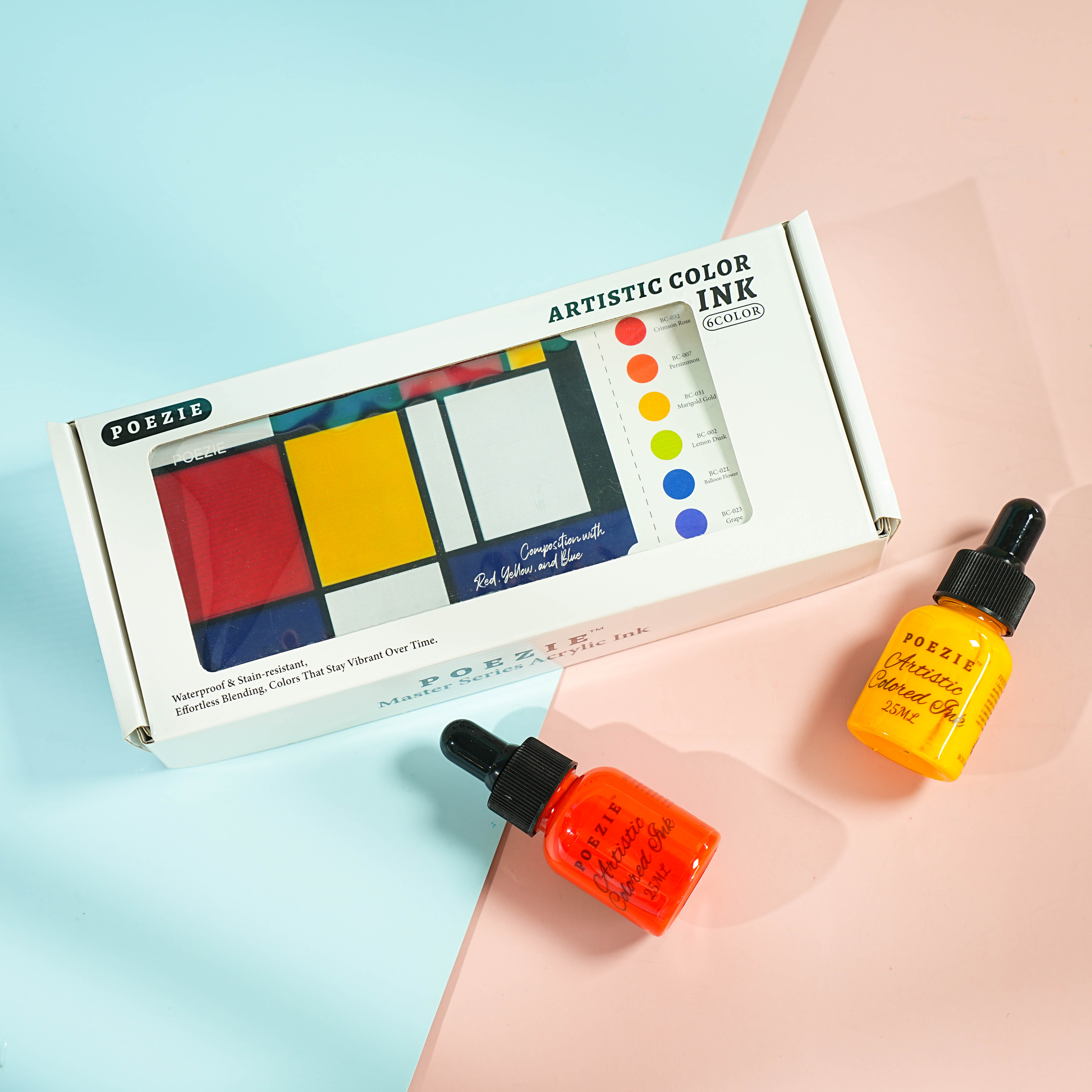
Ideal Environmental Conditions for Acrylic Ink Stability
Temperature Control: Maintaining 10–25°C to Preserve Rheology and Binder Integrity
The performance of acrylic ink really starts to fall apart when temperatures go beyond the 10 to 25 degree Celsius sweet spot. When temps drop below 10 degrees, those polymer binders actually start forming crystals that can't be undone, which means the ink gets permanently thinner and pigments separate out. Things get just as bad on the hot side too. Above 25 degrees, solvents evaporate much faster making the ink thicker, while heat causes those binder molecules to break down completely. According to what industry folks have found, keeping things around 15 degrees plus or minus 3 gives the best results for how the ink flows and behaves. This careful temperature control cuts down wasted material by about 18 percent compared to just throwing stuff anywhere. Warehouse managers should definitely install proper temperature monitoring equipment. Any changes in temperature faster than 2 degrees per hour will likely cause serious problems with the ink's consistency and stability.
Humidity Management: Holding 40–60% RH to Prevent Hydrolysis and Microbial Contamination
When relative humidity drops below 40%, solvents tend to evaporate too quickly, which leads to problems like surface skin formation and nozzle blockages. On the flip side, when humidity climbs above 60%, materials start absorbing moisture that causes chemical breakdown in acrylic polymers. This process weakens how well things stick together and creates conditions where mold can grow. Research shows microbial contamination becomes much more likely around 65% RH mark, with studies indicating about a 70% increase in risk at those levels. For proper control, desiccant dehumidifiers work best in areas with high humidity while humidistat controlled systems are better suited for drier regions. Keeping things around 50% RH plus or minus 5% makes sense. Place hygrometers at pallet level heights since temperature differences create different microclimates throughout storage spaces otherwise.
Light Exposure Mitigation: Blocking UV and Direct Sunlight to Avoid Pigment Fading and Acrylic Degradation
When acrylic resins are exposed to ultraviolet radiation, they undergo a process called photo-oxidation which leads to chain scission. This basically means the material loses its flexibility and sticks less well over time. Even regular visible light can cause problems for organic pigments. Cyan colors tend to fade about 40 percent quicker than magenta ones when subjected to around 500 lux of light. To protect against this degradation, it's wise to install window films that block UV rays between 400 and 700 nanometers. Also, keep all inks stored only in containers that don't let light through. Warehouse lighting levels shouldn't go above 200 lux at maximum. Using motion activated LED lights helps cut down on how much exposure materials get over time. Storing items in the dark makes them retain their original colors roughly three times longer compared to keeping them in lit spaces.
Proper Container Selection and Airtight Storage for Acrylic Ink
Seal Integrity: Preventing Oxidation, Solvent Loss, and Skin Formation
Getting good airtight seals isn't optional when it comes to preserving quality. When closures aren't properly sealed, oxygen gets in and starts messing with the chemical makeup of pigments, changing how they look and behave. The wrong seal lets solvents escape too fast. Research indicates containers without proper sealing can lose around 20% of their solvent content each month, which leads to products getting thicker over time and becoming unusable. There's another big issue too. If ink remains exposed, it tends to form those annoying skin layers on top. These are basically rubbery films made from polymers that end up contaminating whole batches of product. That's why compression sealed lids with good quality gaskets matter so much. They stop all these problems from happening and keep the material flowing properly for about 18 to 24 months before needing replacement.
Material Compatibility: Why HDPE and PET Containers Outperform PVC and LDPE for Long-Term Acrylic Ink Storage
Container composition directly determines shelf life. HDPE (High-Density Polyethylene) and PET (Polyethylene Terephthalate) excel due to superior barrier properties:
| Material | Oxygen Barrier | Solvent Resistance | Structural Stability |
|---|---|---|---|
| HDPE | Excellent | High | Rigid |
| PET | Excellent | High | Shatter-resistant |
| PVC | Moderate | Low (leaches plasticizers) | Brittle over time |
| LDPE | Poor | Moderate | Prone to deformation |
HDPE and PET materials actually stop oxygen from getting through about five times better than regular PVC does, which helps prevent things from oxidizing. These plastics have really low permeability too, so they keep solvents inside for roughly 98 percent longer compared to those LDPE options out there. What makes them stand out even more is how they don't react chemically with acrylic binders, something that regular old PVC just can't handle because it tends to release those pesky plasticizers over time. If someone wants their stuff to last, combining HDPE or PET containers with those silicone sealed caps seems like the way to go for keeping things stable well beyond two years sometimes even three depending on storage conditions.
Critical Warehouse Handling Practices That Extend Acrylic Ink Shelf Life
Avoiding Freeze-Thaw Cycles: Why Sub-5°C Storage Causes Irreversible Viscosity Breakdown
Keeping materials stored below 5 degrees Celsius causes acrylic binders to crystallize irreversibly, breaking down polymer chains and changing how the material flows permanently. Even a single freeze thaw cycle can dramatically increase viscosity due to particles clumping together. Warehouse managers should keep temperatures consistently above this threshold to avoid problems with phase separation and pigment clumping that mess up print quality across batches. Installing thermal monitoring equipment makes sense for spotting those trouble spots near loading areas where temperature drops are most likely to occur during deliveries.
Stacking and Vibration Control: Preventing Settling, Separation, and Cap Seal Compromise
When too many boxes pile up on top of each other, the ones at the bottom get crushed pretty badly. This damages their seals and lets air in faster than we want. We recommend keeping pallet stacks no higher than three levels and moving them around every month or so. Those forklifts really shake things up as they move through the warehouse, causing particles to settle down unevenly. That's why colors end up looking different in different parts of the container. Some anti-vibration mats can cut down shaking problems by about 70% according to tests. Also worth noting is how hexagonal shaped packages help keep lids from bumping into each other during transit, which keeps those closures tight. And don't forget to lay containers flat when storing them. Standing upright just makes the pigments separate from the resins over time, creating quality issues later on.
Inventory Management and Shelf-Life Validation for Acrylic Ink
Good inventory control really matters when it comes to getting the most out of acrylic ink supplies. Setting up a FIFO system makes sense because it means using older stock first before moving on to new stuff, which cuts down on wasted material that's past its prime. Keep a close eye on those expiration dates too. Most acrylic inks stay good for around 12 to 24 months if stored properly, but different formulas can last longer or shorter times. Testing batches regularly works wonders too. Check samples every three months to see if colors still match, viscosity hasn't changed much, and surfaces stick well enough. This kind of regular checkup stops unexpected problems during production runs. Warehouses with lots of turnover find that digital tracking systems cut down mistakes in rotating stock by about 30% according to some industry research. And remember to isolate any questionable batches right away so they don't mess up other products.
FAQs
What temperature is ideal for storing acrylic ink?
The ideal storage temperature for acrylic ink is between 10 and 25 degrees Celsius to maintain the ink's rheology and binder integrity.
How does humidity affect acrylic ink stability?
Relative humidity below 40% can cause solvent evaporation issues, while above 60% increases the risk of hydrolysis and microbial contamination. Keeping relative humidity around 50% is recommended.
What are the preferred types of containers for long-term acrylic ink storage?
HDPE and PET containers are preferred for their excellent oxygen and solvent resistance, and structural stability compared to PVC and LDPE.
How can light exposure affect acrylic ink?
Exposure to UV and visible light can cause photo-oxidation and pigment fading. Storing ink in UV-blocking containers and dark spaces helps prevent this.