
 EN
EN
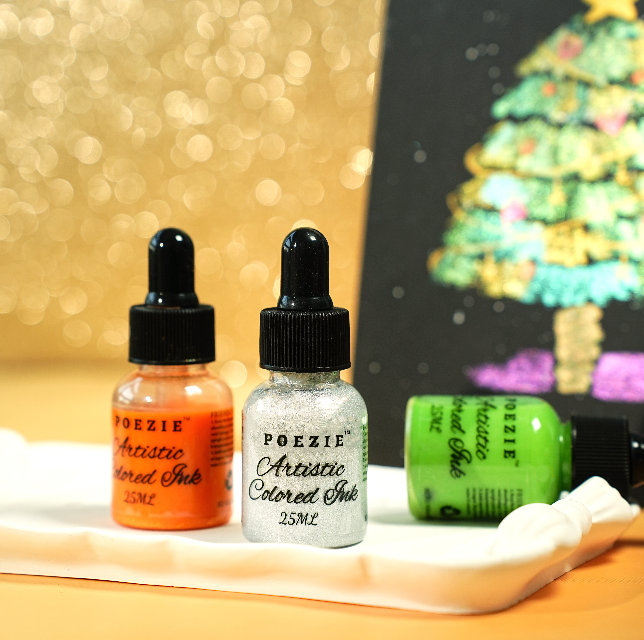
Precision Color Matching for Brand Consistency with Acrylic Ink
How Spectrophotometric Calibration Achieves ΔE < 1.5 Across Substrates
Color matching gets really accurate thanks to spectrophotometric calibration techniques that measure how different materials reflect light down to very small increments. The system looks at color differences through something called Delta E (ΔE) measurements. When these numbers stay under 1.5, most people can't actually tell there's any difference at all, according to standards set by ISO back in 2013. Brands that care deeply about their image spend lots of time testing special acrylic inks on various surfaces such as coated papers, plastic films made from polypropylene, and even shiny metallic coatings. Smart calibration methods tweak the amount of pigment used while printing happens, adjusting for how each material absorbs light differently and interacts with its surface texture. Getting colors right matters a lot for product packaging, labeling, and display items. After all, studies show around three out of four shoppers link consistent coloring directly to trusting a brand more (Pantone research from 2022 confirms this).
Science of Hue Replication: Polymer-Pigment Interaction in Acrylic Ink Systems
When acrylic polymers cure, they create stable network structures that spread out and lock in place both organic and inorganic pigments throughout the material. The carboxylate groups present in these resins actually stick to the surface of the pigments, which stops them from clumping together and helps maintain even light reflection across the surface. What this means at a molecular level is that we can get really accurate color reproduction for complicated shades like metallic finishes and fluorescent colors too, since the orientation of the pigments inside the polymer gets controlled properly. Several factors contribute to how well this works overall,
- Particle size distribution: Nano-scale grinding achieves ≤400 nm particles for scatter-free coloration
- pH-modulated viscosity: Optimizes flow for substrate penetration without feathering
- Crosslinking density: Balances film flexibility with pigment encapsulation stability
These mechanisms allow acrylic ink systems to match 98% of Pantone® colors while delivering four times greater fade resistance than conventional inks (ASTM D3424 accelerated weathering tests).
Functional Customization: Enhancing Acrylic Ink Performance for Brand Applications
Nano-Engineered Additives for UV Resistance, Scratch Durability, and Gloss Control
Adding nanoscale materials to acrylic inks improves their overall performance at the molecular level. When UV stabilizers are included at concentrations below 5% weight per weight, they actually soak up harmful light particles, which makes colors last much longer outdoors compared to regular pigments - we're talking around 400% improvement in stability. The ceramic reinforced polymers form really tight networks inside the material, giving it an impressive 8H pencil hardness rating. That's super important for things like busy retail displays where people constantly touch them. Controlling surface shine involves these special hybrid silica particles between 40 and 80 nanometers in size. During the curing process, they naturally align themselves to produce different finish levels: true matte surfaces with gloss units under 10, smooth satins ranging from 20 to 40 GU, or shiny finishes above 80 GU. With all these engineered properties, companies can keep their products looking great no matter where they end up. Think about luxury product boxes that need to resist fingerprints after countless handling, or billboards outside that must stay vibrant for years despite sun exposure, all while maintaining those rich, eye-catching colors.
Navigating Compliance: Balancing Vibrancy with EU REACH and FDA 21 CFR Requirements
Creating acrylic ink involves dealing with all sorts of regulations from different regions. These days, many companies are swapping out those heavy metal pigments for something called organic-inorganic hybrids because of EU REACH Annex XVII rules. What this means practically is that they can still get colors that look almost identical to old cadmium reds (within about 1.5 on the Delta E scale) but without any of those harmful substances classified as SVHCs. When it comes to products that touch food, things get even trickier under FDA 21 CFR guidelines. Manufacturers need special polymer chains that stop dyes from leaking into food at levels above 50 parts per billion. Some top producers have started using computer models to figure out how pigments will interact with polymers before making actual batches. This helps them create safe, vibrant colors without having to constantly tweak formulas. Most importantly, these approaches let brands maintain their signature colors across international markets while staying within legal boundaries everywhere they operate.
End-to-End Acrylic Ink Development: From Concept to Commercial Scale
Qinghe Chemical’s 14-Day Rapid Prototyping Workflow for Packaging & Branding
Speeding up the creation of custom acrylic inks means shortening development times while still keeping things technically solid. We've found that combining material science with digital tools helps strike this tricky balance. When we test colors using spectrophotometry, we can check how accurate they look on different materials like paper, PET plastic, and HDPE within just two days after mixing them up. Then comes the hard part where we subject samples to chemical resistance tests and accelerated aging simulations that mimic what happens when products sit in warehouses or stores for months. This whole testing process saves money because it stops us from having to redo formulas after production starts. Our color matching stays really tight too, usually under 1.5 delta E across all surfaces we care about. For viscosity control, our predictive models work wonders whether we're making small lab batches or scaling up to those big 1,000 liter runs. What does all this mean? Brands can get their special colors onto packaging boxes and bottles much faster now. Instead of waiting forever, most companies see their custom colors ready to go within around two weeks once specifications are locked down. Before anything ships out though, every commercial batch gets checked against local regulations including those strict EU REACH requirements listed in Annex XVII.
Measuring Real-World Brand Impact of Custom Acrylic Ink
Eye-Tracking and Shelf-Performance Data: 37% Longer Dwell Time on Acrylic Ink–Printed Displays
In retail, people's attention is basically money on the shelf. Studies using eye tracking technology found that products displayed with this special acrylic ink keep customers looking at them about 37 percent longer compared to regular prints. That extra gaze time means shoppers remember brands better and are more likely to buy something. The colors just pop off the shelves, making it stand out among all the other stuff competing for notice. Plus, how the ink plays with light makes things look deeper and more interesting without anyone really noticing why. These displays last through tons of customer touches without fading or getting damaged, so the brand stays fresh in shoppers' minds week after week. Retailers see real results from this too. When customers spend more time looking at products, they tend to walk away with purchases more often, especially when stores are packed with choices from competitors.
FAQ Section
What is Delta E in color matching?
Delta E is a measure of color difference between a sample and a standard. A Delta E under 1.5 is usually imperceptible to the human eye, ensuring high color accuracy.
How is acrylic ink improved with nano-engineered additives?
Nano-engineered additives enhance UV resistance, scratch durability, and gloss control, significantly improving performance and lifespan of the ink.
Why are organic-inorganic hybrids used in modern acrylic inks?
Organic-inorganic hybrids comply with regulations like EU REACH and FDA guidelines, offering vibrant colors similar to traditional pigments without harmful substances.