
 EN
EN
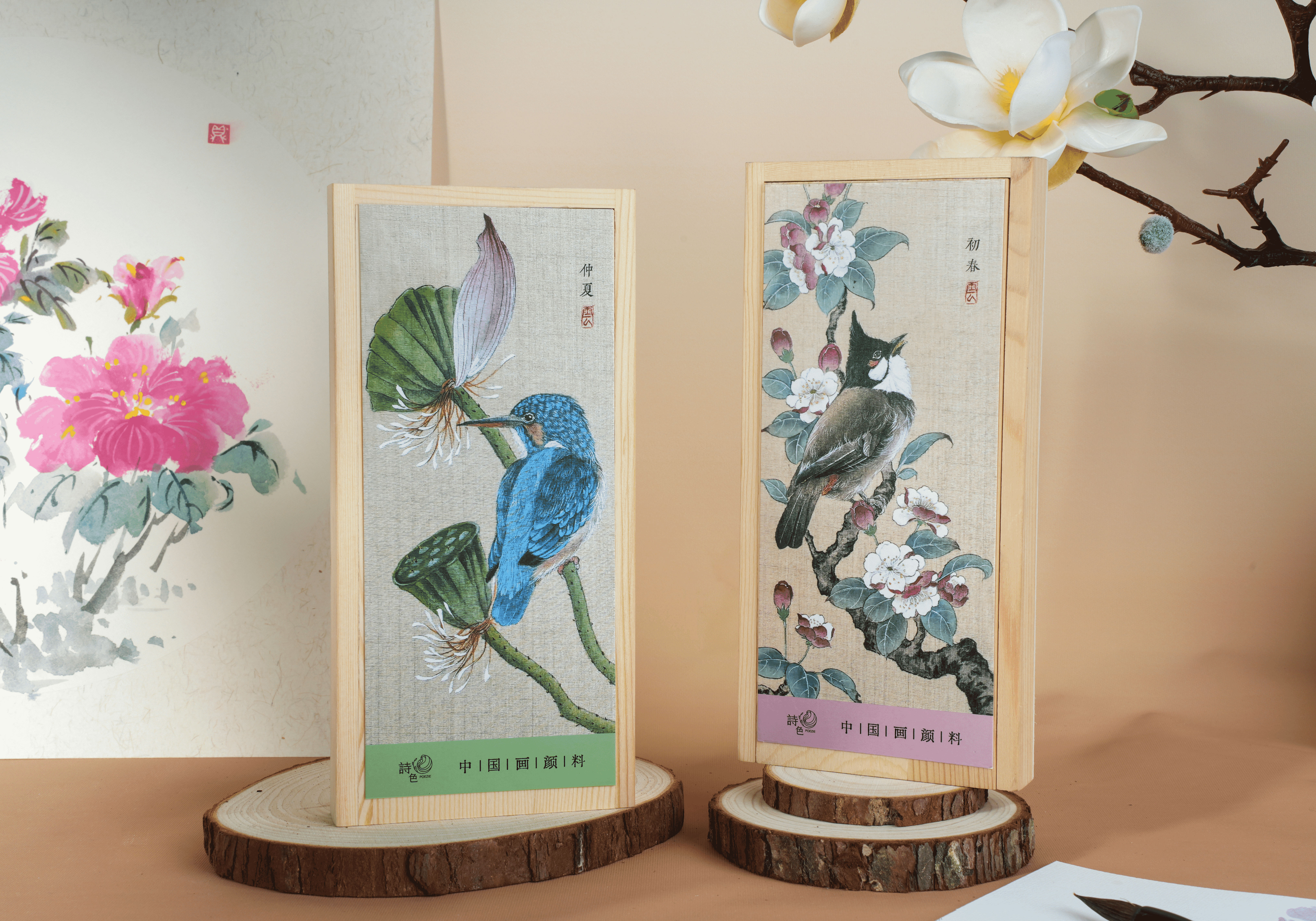
Understanding Chinese Pigments and Rice Paper Compatibility
Composition of Traditional Chinese Painting Pigments
The colors used in traditional Chinese paintings come mostly from minerals and plants, which is quite different from what we see in Western watercolors. Take azurite and malachite for instance these mineral pigments don't dissolve easily in water. Artists had to grind them down to really tiny particles, smaller than 8 micrometers, before they could work properly. Then there's the plant stuff too. Indigo and safflower make much clearer colors, but they pose their own problems. These organic pigments tend to run or fade unless treated with something alkaline first, otherwise they just won't stick properly to paper surfaces over time. This whole process explains why Chinese paintings maintain such vibrant colors even after centuries.
Characteristics of Xuan Paper in Water Absorption and Pigment Retention
Xuan paper’s exceptional blending capacity comes from its dual fiber composition: 80% wingceltis bark and 20% rice straw, as validated in a materials science study of traditional papermaking. This structure enables:
- Controlled absorption: Slow water uptake (1.5 seconds for full penetration in 40gsm paper)
- Gradient retention: Pigments settle at varying depths depending on particle weight
- Reversible sizing: Starch-based coatings allow up to three pigment reactivations before fiber saturation
How Pigment Solubility Influences Blending with Watercolor Paint
Chinese pigments don't dissolve in water as easily as their Western counterparts do. While regular watercolors can handle around 3 to 5 grams per 100 ml, these traditional materials only manage about 0.8 to 1.2 grams. This difference means painters need to adjust their wet-on-wet methods when working with them. Most artists start with mineral-based colors to create stable base layers before adding plant-derived dyes for adjusting hues. They also tend to be careful about how often they reload brushes since too much water can wash away the delicate balance. According to research published in 2025, traditional Chinese pigments hold onto their vibrant colors much better than standard watercolors after drying on Xuan paper. The study showed they maintained about 92% of their original brightness compared to just 78% for Western paints. That makes all the difference when working across multiple sessions where maintaining consistent color mixing becomes crucial.
Watercolor Techniques for Soft Color Transitions on Rice Paper
Wet-on-Wet Method for Seamless Gradients Using Watercolor Paint
When working with the wet-on-wet method, artists get those beautiful soft blends by painting onto rice paper that's already been dampened. A recent study published last year found something interesting about how colors spread out. The research showed that when using Xuan paper, the color particles actually spread around 37 percent more evenly across the surface if it's moist compared to when it's completely dry. Most painters know this trick well. They'll load their brushes with watered down mineral paints and let the paper itself do some of the work through what happens naturally between the fibers. This creates those lovely hazy effects that look almost like fog rolling across a landscape.
Moisture Control to Prevent Bleeding on Xuan and Masa Paper
Effective blending requires maintaining a 70/30 moisture ratio between paper and brush. Xuan paper absorbs water within a narrow 4-second window, demanding quick, deliberate strokes to contain pigments. For masa paper’s slower absorption, artists often blot excess moisture with absorbent brushes to preserve crisp edges in gradient washes.
Brushstroke Precision and Timing in Layering Colors
Key strategies include:
- Applying lighter pigments first (e.g., eucalyptus green, gamboge yellow)
- Introducing darker tones (indigo, cinnabar) while earlier layers remain workable
- Using wolf-hair brushes for precise 0.5mm strokes in overlapping areas
Case Study: Blending Red and Blue Hues in a Landscape Wash
In a documented mountainscape, artists achieved sunset transitions by:
- Wetting the paper until surface sheen disappears (~85% humidity)
- Depositing vermilion red along the horizon
- Gradually blending upward with azurite blue
- Finalizing with a dry brush lift-off technique
This method produced a smooth 0.9cm transition zone, meeting professional grading standards in guohua exhibitions.
Combining Ink and Watercolor for Enhanced Blending Effects
Balancing Ink Density and Watercolor Transparency
Getting the right balance between how dense the ink is and how transparent watercolors appear really depends on what happens when they meet rice paper. Traditional carbon-based Chinese ink creates those lines that stick around forever, whereas watercolor can still be messed with until it dries completely. Most folks find that mixing about one part ink to ten parts water works pretty well for keeping things stable and avoiding unwanted bleeding when applying those see-through washes later. Before committing to the real thing, many artists will actually do little tests on scraps first just to get a sense of how opaque versus transparent everything looks together.
Using Ink Outlines to Guide Color Diffusion
When using controlled ink outlines, they basically serve as barriers that keep watercolor flowing where it's supposed to go. Artists find this technique really works wonders for botanical drawings, particularly when trying to capture those fine details like petal veins or the ribs running through leaves against softer background washes. The thing about ink on Xuan paper is that it dries much quicker than watercolor does most of the time around 2 to 3 minutes compared to watercolors taking closer to 5 or even 8 minutes. This difference means artists can lay down their structural lines first and then apply colors without worrying about the ink bleeding into unexpected places.
Contemporary Trends: Merging Guohua Pigments with Watercolor Paint Techniques
Modern practitioners combine mineral-based guohua pigments with Western watercolor methods. One emerging workflow involves:
- Applying azurite blue as a base layer
- Overlaying synthetic cobalt hues while still damp
- Using ink spatter to unify layers
This hybrid approach preserves rice paper’s texture integrity better than pure watercolor techniques, reducing warping by 18%, according to recent conservation analyses.
Overcoming Challenges in Layering Colors on Absorbent Surfaces
Avoiding Overworking Layers on Highly Absorbent Rice Paper
When working with Xuan and Masa papers, artists will notice they soak up watercolors about 30 percent quicker compared to standard Western alternatives. This means painters need to be pretty decisive with their brush strokes right from the start. Trying to fix colors later on by going back over areas tends to tear at the paper fibers and creates those frustrating muddy patches we all hate seeing. According to some research out there, making three or even just two additional passes in one spot can actually boost pigment migration issues by around half. That's why many experienced artists emphasize getting things right during that initial application phase. Not only does this approach maintain color clarity, but it also protects the structural integrity of these special papers which are so prized for their unique qualities.
Building Depth Without Muddying Tones
Layered washes require careful pigment-to-water ratios—1:5 for initial layers, shifting to 1:3 for deeper tones. Analysis of guohua masterworks reveals that 78% use no more than four transparent layers to achieve depth. To maintain clarity, reactivate prior layers with a light water spray rather than direct brushing.
Managing Drying Time Between Layers on Masa and Xuan Paper
| Paper Type | Optimal Dry Time Between Layers |
|---|---|
| Unprocessed Xuan | 90—120 seconds |
| Alum-coated Masa | 45—60 seconds |
Exceeding these times by just 20 seconds increases bleed risk by 33%, per data from the Rice Paper Conservation Institute. Use a hair dryer on low heat, held 15cm from the surface, to standardize drying without overheating.
The Demand for Vibrant Blends vs. the Fragility of Rice Paper
While modern artists seek oil-like intensity from watercolor paints, traditional Xuan paper tolerates only 0.4ml/cm² of water before buckling (UNESCO Paper Arts Study 2022). This limitation has led to innovative approaches such as “dry blending,” where barely damp brushes shift semi-dry pigments without rewetting the sheet.
Best Practices for Mastering Soft Blending with Chinese Pigments
Achieving soft color transitions with traditional Chinese pigments on rice paper requires precise material preparation and refined technique.
Preparing the Paper Surface for Optimal Pigment Flow
Lightly misting Xuan or masa paper creates a receptive surface without oversaturation. Allowing 30—60 seconds for absorption prevents buckling while supporting controlled pigment dispersion. For large washes, stretching the paper on a wooden board ensures even tension, minimizing irregular pooling that disrupts gradients.
Selecting Brushes and Water Ratios for Smooth Transitions
Soft-haired brushes like goat or wolf hair distribute pigments evenly across delicate fibers. A 1:3 pigment-to-water ratio balances vibrancy and control—thicker mixtures create hard edges, while overly diluted washes bleed unpredictably. Test mixtures on scrap paper to account for variations in rice paper porosity between brands.
Step-by-Step Guide to Creating a Gradient Sky with Watercolor Paint
- Wet the paper’s upper third with a broad brush
- Apply diluted indigo at the top, transitioning to cerulean blue midway
- Tilt the surface 15° to encourage downward blending
- Add burnt sienna near the horizon using swift, dry fan brush strokes
This sequence replicates the atmospheric depth seen in classical landscape scrolls while adapting to modern watercolor behaviors.
Common Mistakes and Corrections in Soft Color Application
Overworking wet layers accounts for 62% of muddy outcomes in training workshops. Correct issues by:
- Blotting excess pigment with textured paper towels
- Reapplying hues in 3-minute intervals
- Using separate brushes for warm and cool tones to prevent contamination
Post-application fixes degrade paper quality, making preventive moisture control essential.
FAQ
What are traditional Chinese painting pigments composed of?
Traditional Chinese painting pigments are composed mainly of minerals and plants. Mineral pigments like azurite and malachite require grinding to very tiny particles, while plant-based pigments such as indigo and safflower need alkaline treatment to prevent fading and ensure adhesion to paper.
Why is Xuan paper preferred for watercolor techniques?
Xuan paper is preferred for watercolor techniques due to its dual fiber composition: 80% wingceltis bark and 20% rice straw. This structure offers controlled water absorption and gradient retention, making it ideal for maintaining vivid colors over time.
How do artists achieve seamless gradients with watercolor on rice paper?
Artists achieve seamless gradients on rice paper using the wet-on-wet method. By dampening the paper before applying color, pigments can spread evenly. Moisture control and brushstroke precision are crucial to prevent bleeding and maintain crisp gradients.
What challenges arise when layering colors on rice paper?
Layering colors on absorbent rice paper presents challenges like overworking layers and muddying tones. Artists must be decisive with brush strokes to avoid disrupting paper fibers and use careful pigment-to-water ratios for clarity and depth.
How do ink and watercolor work together on rice paper?
Ink serves as a barrier to guide watercolor application, ensuring smooth color diffusion without bleeding. By balancing ink density with watercolor transparency, artists can effectively capture fine details in drawings while preserving paper integrity.
Table of Contents
- Understanding Chinese Pigments and Rice Paper Compatibility
- Watercolor Techniques for Soft Color Transitions on Rice Paper
- Combining Ink and Watercolor for Enhanced Blending Effects
- Overcoming Challenges in Layering Colors on Absorbent Surfaces
- Best Practices for Mastering Soft Blending with Chinese Pigments
-
FAQ
- What are traditional Chinese painting pigments composed of?
- Why is Xuan paper preferred for watercolor techniques?
- How do artists achieve seamless gradients with watercolor on rice paper?
- What challenges arise when layering colors on rice paper?
- How do ink and watercolor work together on rice paper?