
 EN
EN
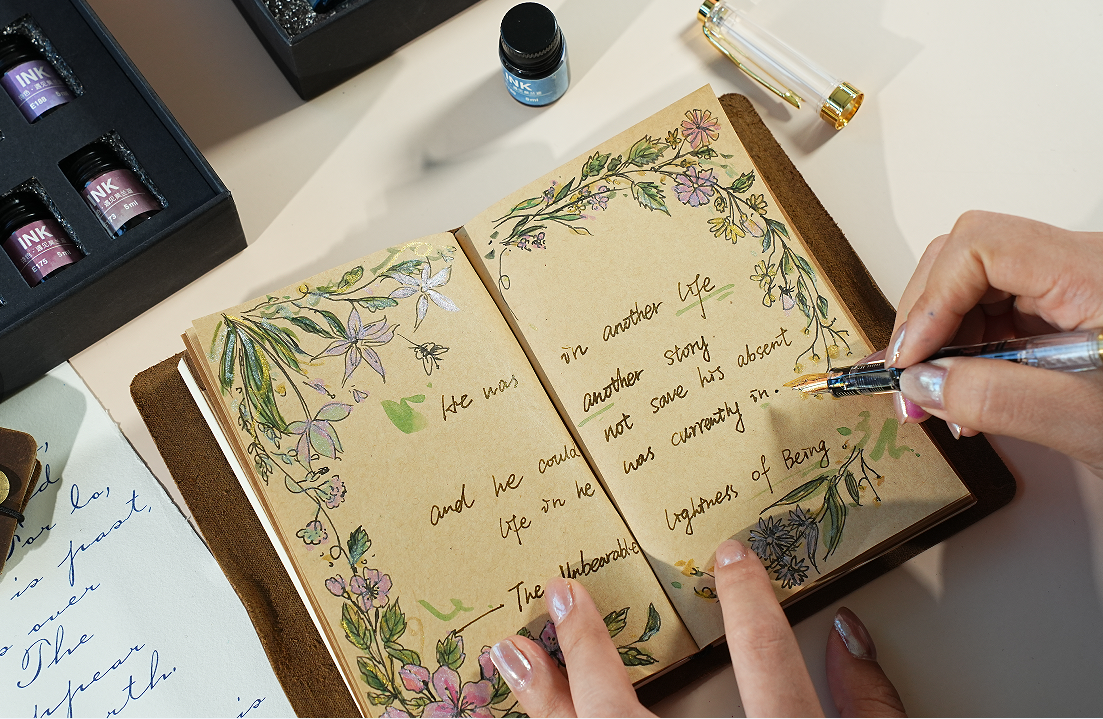
Alcohol Ink Blending Science: Solvents, Pigments, and Surface Dynamics
The way alcohol inks behave really depends on two main factors: solvent polarity and how fast they evaporate. Take isopropyl alcohol (IPA) for instance. Being a polar solvent with pretty low surface tension, it spreads pigments out quite quickly when we're working with concentrations around 90 to 99%. That means artists only have a few seconds before the colors start setting in. Ethanol works differently though. Since ethanol molecules are smaller, they tend to evaporate even faster than IPA does. This quick drying can actually cause problems with color mixing and often leads to those annoying tide lines forming along the edges. What happens here is something called vapor pressure gradients pulling pigments towards the areas where the ink is drying first, which creates all sorts of interesting texture patterns. And temperature plays a big role too. When temperatures go up just 10 degrees Fahrenheit, the amount of time available to work with these inks drops down by about a third. That makes temperature control absolutely critical for getting consistent results.
The relationship between pigment load and binder chemistry really determines how intense colors appear and how well layers stick together. When there's too much pigment in the ink mix, anything above around 22% tends to settle out pretty quickly on surfaces that absorb liquids easily. This settling causes problems for anyone trying to get consistent results. Acrylic resins help keep everything mixed properly but they do make the final product less transparent. And watch out for those stiff binder types because they tend to crack when wet again later, which creates that murky look people hate seeing in their finished prints. For artists working with multiple layers, switching to epoxy modified binders makes a big difference. These special formulations actually boost the sticking power between layers by roughly three quarters compared to regular cellulose based options while still keeping things clear enough to see through if needed.
Getting control over surface tension matters a lot when working with wet-on-wet techniques to avoid muddy color mixes. The whole process depends on finding the right balance between how liquids move through materials (capillary action), thickness of the paint (viscosity), and that tricky thing called surface tension. When artists add around 2 to 5 percent surfactant to their mix, they're actually reducing surface tension quite dramatically—from about 72 dynes per centimeter down to somewhere under 40. This makes for much smoother transitions between colors. Thickness plays another key role too. Paints with viscosities around 150 to 200 centipoise tend to hold their edges nicely without spreading out too much. But if the consistency drops below 100 cP, colors start bleeding into each other uncontrollably. That's why many painters prefer synthetic surfaces like Yupo paper these days. These materials give them roughly 40 percent more time to work with their paintings before everything sets, simply because they don't absorb moisture like regular canvas does.
Best Alcohol Ink Types for Seamless Color Blending
Pigment-based inks: Vibrant hues with moderate blendability
Alcohol inks based on pigments work by suspending tiny ground particles in an alcohol solution, which gives them that rich color saturation and helps them stick well to smooth, non-porous materials. These inks have just the right thickness for good control when applying them, keeping those sharp edges intact even when colors blend together. The fact that they take longer to dry means artists need to be careful with timing though - if someone messes around too much after applying, the ink will spread out unevenly. Most experienced crafters swear by the simple drop and spread technique for best results. This approach takes advantage of how stable these inks naturally are while still letting all that vibrant color shine through.
Dye-based inks: Fast-spreading but high bleed risk
When mixed with alcohol, dye based inks completely dissolve creating those beautiful translucent washes that spread out so smoothly across surfaces. What makes them work well is their very low surface tension which lets colors diffuse quickly through materials. But there's a catch too - because of how fast they spread, problems with bleeding become much more likely especially when multiple colors are involved together. Sometimes neighboring drops just blend together in ways nobody expects, making colors look washed out when the solvent isn't properly controlled during application. Most artists deal with this challenge by applying much tinier amounts at once and moving pretty fast while painting. These inks do dry around 30 to 40 percent quicker compared to traditional pigment based alternatives, but honestly speaking, that quick drying time means artists have far fewer chances to fix mistakes or go back over areas needing adjustment later on.
Hybrid formulations: Optimized for rewettability and controlled diffusion
Hybrid inks mix strong pigments with the runny qualities of dyes thanks to special polymer additives that manufacturers have developed over time. These inks stay workable longer without losing their vibrant colors, giving artists about 20% more time to manipulate them compared to regular ink formulas. The way these inks spread is carefully managed so they don't bleed out of control but still interact predictably on different materials ranging from ceramic tiles to those fancy synthetic paper products everyone seems to love now. Print shops particularly appreciate this property when creating intricate color transitions or multi-layered designs where each layer needs to sit just right without smudging into the next one.
Proven Blending Performance: Brand Comparisons and Artist Test Data
Ranger vs. Jacquard: Side-by-side bleed-through analysis on Yupo paper (42-test study)
Researchers ran 42 tests on Yupo paper to see how Ranger and Jacquard alcohol inks performed when applied the same way each time. Interestingly, one brand managed to cut down pigment migration by around 34 percent without losing any color punch. What's even better? This same ink dried about 27% quicker too, keeping those sharp color edges intact but still letting artists create nice feathered effects where they wanted. After sitting under UV lights for three whole days, both brands kept their colors just as bright. This goes against what many people think - that packing more pigment into ink is all it takes to keep colors looking good over time, especially when working with multiple layers.
Artistro’s high blend consistency: 96% success rate across 12 color combinations (2023 survey)
In a survey conducted among professional artists in 2023, a new hybrid ink formula was put through its paces during 12 challenging color transitions like moving from deep reds to greens and purples to warm yellows. The results were pretty impressive, with around 95% of blends hitting their mark for secondary colors without losing vibrancy or turning muddy. What really stands out is how this ink stays workable longer than most competitors. Artists reported being able to blend for about 40 extra seconds compared to traditional solvent-based options. This makes all the difference when working on those tricky wet-on-dry layers that so many other brands struggle with, often giving unpredictable results when trying to reactivate dried sections.
Blending Solutions: Choosing and Formulating the Right Medium
Isopropyl alcohol (90–99%) vs. ethanol: Evaporation speed and pigment dispersion
When looking at pigment suspension, IPA in concentrations between 90-99% performs better than ethanol overall, with much more consistent dispersion results. Many people think IPA dries faster, but actually it takes around 30% longer to evaporate because of its heavier molecules. This gives painters extra time to work with their materials before colors start settling out. Ethanol on the other hand tends to disappear too quickly from mixes, which can lead to those annoying tide marks and patchy color coverage, particularly when working in damp environments. The slower drying nature of IPA helps maintain the paint's consistency for longer periods, which is why most serious artists prefer it as their go to medium when they need precise color mixing and smooth application results.
DIY blending solution with glycerin + IPA for extended workability
Mixing 70% isopropyl alcohol with 20 to 30% pharmaceutical grade glycerin really makes a difference in how long materials stay workable. The evaporation slows down around 40%, giving artists about 8 to 12 minutes before things start to set too much. What happens here is glycerin works like a moisture trap, basically hooking onto those alcohol molecules so they don't all disappear too fast while still keeping everything flowing properly. But watch out if we go over 35% glycerin - that tends to leave behind annoying residue on surfaces. Sticking between 20% and 30% gives just the right consistency for most applications and ensures good reactivation when needed later. Artists working on big gradient pieces or complex layered effects find this particular mix particularly useful for their projects.
Mastering Multi-Color Alcohol Ink Art: Layering Techniques and Color Order
Warm-over-cool principle: Achieving clean secondary colors (e.g., yellow before blue for green)
Start with warm colors like yellow or red before moving on to cooler tones such as blue or green if we want those secondary colors to look clean and sharp. The reason? Warm pigments tend to dry quicker, which helps set the foundation layer and stops the cooler inks from bleeding upwards. Take yellow for instance when applied first it gives us those vibrant, clear greens. But try putting blue down first and then yellow while it's still wet? That usually ends up creating dull grayish greens because the blue just seeps into the yellow. Following this order works with how ink naturally dries instead of going against what happens during the drying process.
Transparency stacking: Building luminous depth with metallics and semi-opaque inks
Start by putting down those shiny metals like copper or gold on top of already dry base colors that aren't completely see through, think cobalt blues or rich magentas. What happens next is pretty cool - those metal bits actually bend the light passing through the colors underneath them, creating this amazing shimmering depth rather than just flat color. Don't go crazy with the metallic stuff though. Better to apply it drop by drop so each layer stays distinct from the others. Wrap things up with some not totally white highlights mixed in to make everything pop visually without killing the brightness of what's beneath. Just be careful not to cover everything up too much since that tends to flatten out all those nice colors we worked so hard to create.
FAQs
What are alcohol inks?
Alcohol inks are liquid colors used by artists to create vibrant and dynamic designs, especially on non-porous surfaces.
How does temperature affect alcohol ink artwork?
Temperature increases can reduce the drying time available to work with alcohol inks, affecting the final result.
What is the advantage of using synthetic surfaces like Yupo paper?
Synthetic surfaces like Yupo paper do not absorb moisture, giving artists more time to manipulate alcohol ink before it sets.
How can glycerin improve the workability of alcohol inks?
Glycerin slows evaporation, allowing artists extra time to work with alcohol inks before they dry.