
 EN
EN
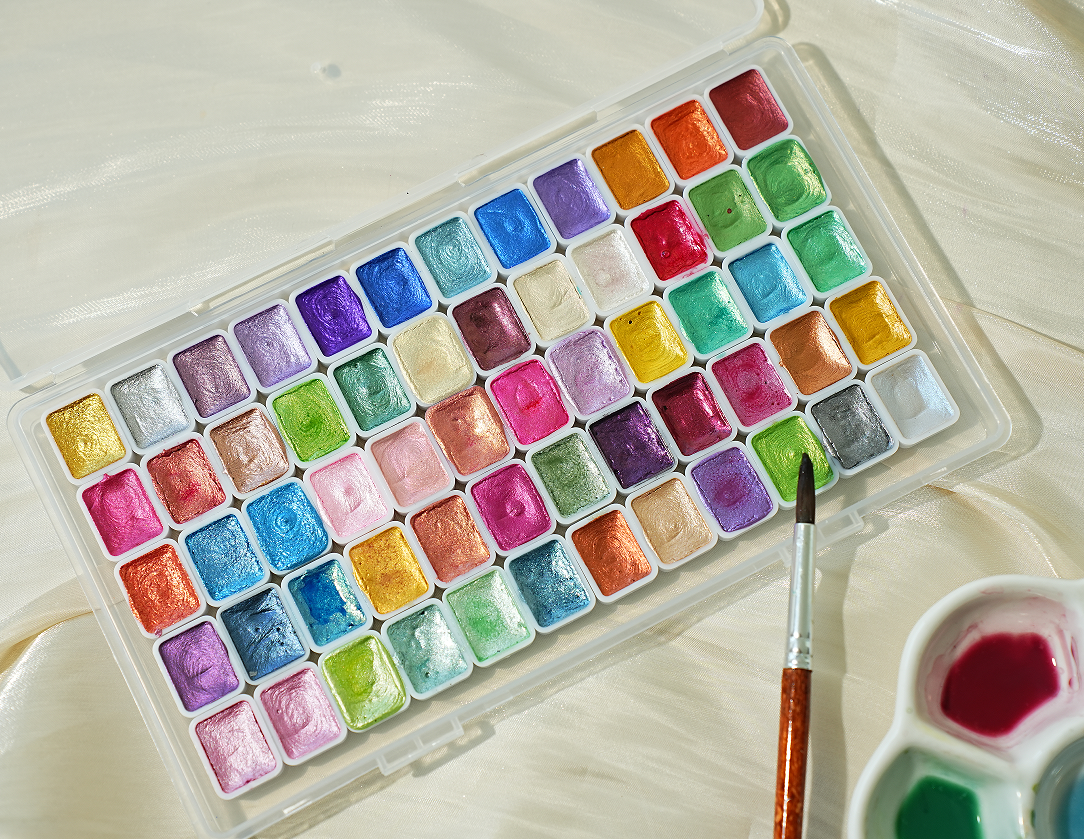
Understanding Non-Toxic Watercolor Paint: Safety, Ingredients, and Risks
What Makes Watercolor Paint Non-Toxic? Defining Safe Formulations
Watercolor paints labeled as non-toxic generally steer clear of dangerous heavy metals such as cadmium, lead, and cobalt, plus they don't contain those harmful VOCs either. Instead of using synthetic resins, these safer formulas stick with natural stuff like gum arabic as their main binder. They also swap out the toxic pigments for minerals or other stable organic options that work just as well but won't build up in the body over time. Take red colors for example iron oxide (known as PR101) takes the place of cadmium in many brands. The good news is it performs almost identically without those nasty accumulation issues. Most reputable brands go through strict safety testing according to ASTM D4236, which is basically the official guideline for labeling art supplies safely in the US. What's really nice though is when companies actually list every ingredient clearly on packaging so artists can spot potential problems ahead of time. This matters a lot because people sometimes get skin irritation from certain chemicals, might develop allergies after breathing them in, or accidentally swallow small amounts while working on projects especially when kids are involved or someone gets distracted and licks their brush by mistake.
Health and Environmental Hazards of Heavy Metals in Watercolor Paint
The colors we work with every day aren't just pretty on canvas they actually pose two big problems for our health and the environment. Cadmium builds up in our bodies over time, settling mainly in the kidneys and bones. People who handle it regularly at work might start seeing kidney issues even from small amounts. Lead is another real troublemaker, messing with brain development especially in kids which makes it a huge worry for artists working at home where little ones could accidentally swallow paint or get it on their skin. When we wash these pigments down the sink, they don't disappear they stick around in water systems and eventually end up polluting rivers and lakes. A recent study found that art materials account for about 12% of all heavy metals detected in city stormwater according to Environmental Science & Technology journal. Those wet painting methods create tiny airborne particles too, making breathing them in a bigger risk if there's no proper airflow in the studio space. Always remember to dispose of waste properly never pour anything down drains and wear gloves when mixing paints. Masks should be part of the routine during sanding or dust cleanup operations as well.
Why Ingredient Transparency Matters: Preservatives, Pigments, and VOCs
Knowing exactly what goes into products isn't just good marketing, it's actually fundamental for safety reasons. Many preservatives on the market today release formaldehyde slowly over time, like DMDM hydantoin which shows up in all sorts of personal care items. These substances can cause allergic reactions and trouble breathing for sensitive individuals. Synthetic colors often hide dangerous stuff too. Terms like "mixed inorganic pigments" basically mean who knows what heavy metals might be lurking inside. When products dry out, they give off VOCs from things like glycols used as moisturizers or solvents. People report getting headaches, feeling dizzy, and experiencing irritation around their nose and throat after exposure. Good labels let makers check those pigment numbers themselves. For instance, PY154 indicates a safe lemon yellow color whereas PR108 means we're dealing with toxic cadmium red. Going with water based formulas that use natural preservatives makes cleaning up easier, cuts down on chemicals touching skin, and fits better with green workshop habits. Looking for companies that actually list all ingredients instead of relying on buzzwords like "non-toxic" or "AP certified" helps protect both our health now and the planet for future generations.
Evaluating Safety Certifications: The Role of ASTM D-4236 in Non-Toxic Watercolor Paint
What ASTM D-4236 Certification Means for DIY Crafters
ASTM D-4236 is a mandatory U.S. labeling standard—not a safety certification—that requires manufacturers to disclose known chronic health hazards in art materials and provide clear usage instructions. It ensures independent toxicological review but does not guarantee “non-toxicity.” For DIY crafters, this means:
- Products bearing the ASTM D-4236 label have undergone hazard evaluation by qualified toxicologists.
- The ACMI AP (Approved Product) seal signifies formulations deemed low-risk under normal use; the ACMI CL (Cautionary Label) seal indicates documented hazards requiring specific precautions.
- Crucially, compliant products may still contain regulated heavy metals like cadmium (PR108) or cobalt (PB28)—provided they’re properly labeled and accompanied by warnings.
How to Verify ASTM D-4236 on Watercolor Paint Packaging
Look for three key indicators directly on packaging:
- Explicit Conformance Statement: Legible text such as “Conforms to ASTM D-4236” or “Meets ASTM D-4236.”
- ACMI Seals: The AP (circle) or CL (triangle) logo from the Art and Creative Materials Institute.
- Complete Ingredient List: Including standardized pigment codes (e.g., PB28 for cobalt blue); if disclosures are missing or vague, request the Safety Data Sheet (SDS) from the manufacturer—reputable brands provide these promptly.
Limitations of 'Non-Toxic' Labels: Why Certification Isn't Always Enough
ASTM D-4236 has meaningful gaps that DIY crafters must navigate proactively:
- Heavy Metal Exemptions: Toxic pigments like cadmium red (PR108) are permitted if labeled, despite proven bioaccumulation risks.
- No VOC Thresholds: The standard doesn’t cap volatile organic compound levels in binders or humectants—leaving room for fume-related irritation.
- Inadequate for Child-Specific Use: It doesn’t account for prolonged skin contact, oral exploration, or repeated low-dose exposure common in home crafting. Always pair ASTM compliance with pigment code verification, brand ethics research, and practical controls—like ventilation and glove use—to close these safety gaps.
Decoding Watercolor Labels: How to Identify Safe Pigments Using Pigment Codes
Understanding Pigment Nomenclature: What PY, PR, PB Mean on Labels
Most watercolor tubes come labeled with these standard ICI codes that look like PY for Yellow, PR for Red, and PB for Blue. These codes tell artists exactly what chemicals are inside instead of relying on vague marketing buzzwords such as artist grade or eco friendly claims. Take PY154 for instance it stands for a newer type of lemon yellow pigment that doesn't contain cadmium. It lasts longer under light exposure too and isn't toxic at all. Compare that to PR108 which contains cadmium sulfoselenide something doctors warn about because it can cause cancer and damage kidneys over time. Knowing these codes helps painters check if their supplies are truly transparent, shop around for better options when needed, and ultimately pick colors that match their own health priorities without guesswork involved.
Safe vs. Hazardous Pigments: A Practical Guide for Handcraft Use
| Safety Level | Pigment Examples | Primary Risks | Handcraft Recommendation |
|---|---|---|---|
| High Risk | Cadmium (PR108), Cobalt (PB28), Lead (PW31) | Bioaccumulation, organ toxicity, inhalation hazard | Avoid entirely for frequent or child-involved projects |
| Moderate | Iron oxide (PR101), Ultramarine (PB29) | Low acute toxicity when dry; ultramarine may release sulfur dioxide if overheated | Use with adequate ventilation; avoid sanding dried layers |
| Low Risk | Phthalocyanine (PB15), Quinacridone (PV19), Arylide (PY74) | Minimal systemic absorption; stable chemical bonding | Recommended for beginners and high-frequency use |
Brush-licking—a documented habit among 68% of hobbyists in a 2022 survey by the National Art Education Association—increases ingestion risk by up to 70%. Choosing PY35 or PY74 over cadmium yellows (PY37) meaningfully reduces heavy metal exposure in everyday practice.
Organic vs. Synthetic Pigments: Are Organic Options Always Safer?
When we talk about "organic" compounds, what we really mean is something built around carbon atoms—not necessarily safe materials or ones that come from nature. Take copper phthalocyanine (PG7) for instance. This organic pigment is actually made in labs and might give off tiny amounts of VOCs when someone scrubs brushes hard after painting. On the flip side, lots of inorganic options such as titanium dioxide (PW6) and various iron oxides tend to be much more stable stuff. They don't leach chemicals into surroundings and generally don't emit any volatile substances either. The bottom line about safety? It has everything to do with how stable these materials are chemically, whether they dissolve easily, and if they let out harmful substances over time rather than just their names. Before buying any mineral based pigments, check that they pass the ASTM D-4236 tests regarding heavy metals. Better still, go for products that have been independently tested and shown to have minimal leaching properties, like those meeting EN 71-3 standards.
Student-Grade vs. Professional-Grade Watercolor Paint: Which Is Safer for DIY Projects?
Composition Differences: Fillers, Binders, and Preservatives
Student grade watercolors often have around 80% filler materials like chalk, clay, or calcium carbonate added to cut costs. This means the real pigment content drops down to only about 5-20%, which is pretty low compared to what professionals work with. Professional quality paints do things differently though they keep fillers to a minimum and pack in much more actual pigment, sometimes as high as 90% depending on the brand. The binders used matter too. Many student paints contain synthetic stuff like propylene glycol or other preservatives that aren't always listed clearly on packaging. Professionals go for purified gum arabic instead, which comes from natural sources, releases fewer volatile organic compounds, and generally doesn't irritate skin as much. All these ingredient differences actually affect how safe the paints are to use. Those chalky fillers tend to stick to fingers and clothes, keeping people exposed longer than ideal. And cheaper binders can release unpleasant smells when they dry out, something most artists would rather avoid.
Why Student-Grade Paints May Pose Higher Risks in Handcraft Applications
When trying to get that rich color payoff, crafters often have to apply multiple coats, which means coming into contact with more fillers, binding agents, and whatever else might be lingering around in cheaper products, particularly after long crafting sessions at home. Some manufacturers cut corners by putting cadmium or lead based colors into their basic student grade offerings just to look like the pricier alternatives, taking advantage of those tricky "non toxic" label rules instead of actually making safe products. These kinds of paints tend to chip away, create dust, or fall apart completely when someone sands them down, applies sealant, or handles them over and over again, sending tiny particles floating into the air. Think about projects where something gets close to food stuffs like hand painted mugs or recipe books sitting on kitchen counters. Those unstable colors can migrate right onto surfaces where they shouldn't be. Sure professional quality paints come with a bigger price tag, but they offer much cleaner pigments, better mixed formulas, and actual safety testing behind them. For anyone who cares about what goes into their artwork and how it affects their health, spending a little extra makes total sense.
Step-by-Step Guide to Building a Safer, Non-Toxic Watercolor Palette for Handcrafts
Step 1: Confirm ASTM D-4236 Certification and Full Ingredient Disclosure
Check for ASTM D-4236 compliance right there on the package first thing. This little stamp means someone actually looked at what's inside and made sure it passes safety standards. When shopping around, always look for complete ingredient lists. Good quality products will spell out every single component they use. Pigments should come with their ICI codes listed clearly (think PB15 or PR101), while binders might include things like gum arabic, and preservatives could be potassium sorbate among others. Watch out for anything that skips these details or throws in phrases like "proprietary blend" instead. These are red flags really. Many times such vague descriptions hide stuff we don't want near our skin, including heavy metals or other irritants that weren't properly tested.
Step 2: Analyze Pigment Codes to Avoid Toxic Metals
Decode pigment identifiers to eliminate known hazards:
- Steer clear of “Cd” (cadmium), “Pb” (lead), “Hg” (mercury), “Co” (cobalt), or “As” (arsenic) in pigment names or codes.
- Choose PY35 (benzimidazolone yellow) or PY74 (arylide yellow) instead of cadmium-based PY37.
- Opt for PR101 (synthetic iron oxide) or PV19 (quinacridone violet) over PR108 (cadmium red) or PB28 (cobalt blue).
Step 3: Choose Washable, Easy-to-Clean Formulas for Craft Safety
Select paints explicitly labeled “washable” and water-soluble—these rinse cleanly from skin, brushes, and surfaces without harsh solvents. Solvent-based removers (e.g., acetone, alcohol) introduce unnecessary VOC exposure and increase dermal absorption risk. Washable formulas are especially vital for family studios and projects involving children.
Step 4: Evaluate Brand Ethics and Commitment to Non-Toxic Art Supplies
Prioritize manufacturers with demonstrable commitments beyond compliance:
- Public supply chain disclosures (e.g., pigment sourcing, factory audits)
- Use of plant-derived preservatives (e.g., rosemary extract, potassium sorbate) instead of formaldehyde donors
- Voluntary participation in rigorous eco-certifications (e.g., EcoLogo, Cradle to Cradle Certified™) Brands that publish annual sustainability reports and third-party lab test results—like those from independent labs accredited to ISO/IEC 17025—signal genuine accountability and long-term safety leadership.
FAQ: Non-Toxic Watercolor Paint
Are non-toxic watercolor paints safe for children?
Yes, non-toxic watercolor paints are typically safer for children when proper precautions are taken. Ensure paints are labeled as non-toxic, check for ASTM D-4236 compliance, and avoid paints containing heavy metals like cadmium and lead. Always supervise children during use and provide adequate ventilation.
How can I tell if watercolor paints are truly non-toxic?
Check the packaging for the ASTM D-4236 certification and a complete ingredient list, including pigment codes. Look for paints that exclude dangerous heavy metals and VOCs and brands that offer transparency regarding their materials.
Why are ingredient transparency and pigment codes important?
Ingredient transparency allows you to understand what substances are in the paints, verify their safety, and avoid potential allergens or irritants. Pigment codes help identify specific chemicals used in colors, letting you choose safer options and avoid toxic metals.
Are student-grade watercolor paints riskier than professional-grade ones?
Student-grade paints often contain more fillers and synthetic binders, decreasing pigment purity and increasing exposure to potentially harmful substances during prolonged use. Professional-grade paints contain higher percentages of pure pigments and safer binders, leading to less risk and often providing a better painting experience.
Table of Contents
- Understanding Non-Toxic Watercolor Paint: Safety, Ingredients, and Risks
- Evaluating Safety Certifications: The Role of ASTM D-4236 in Non-Toxic Watercolor Paint
- Decoding Watercolor Labels: How to Identify Safe Pigments Using Pigment Codes
- Student-Grade vs. Professional-Grade Watercolor Paint: Which Is Safer for DIY Projects?
- Step-by-Step Guide to Building a Safer, Non-Toxic Watercolor Palette for Handcrafts
- FAQ: Non-Toxic Watercolor Paint