
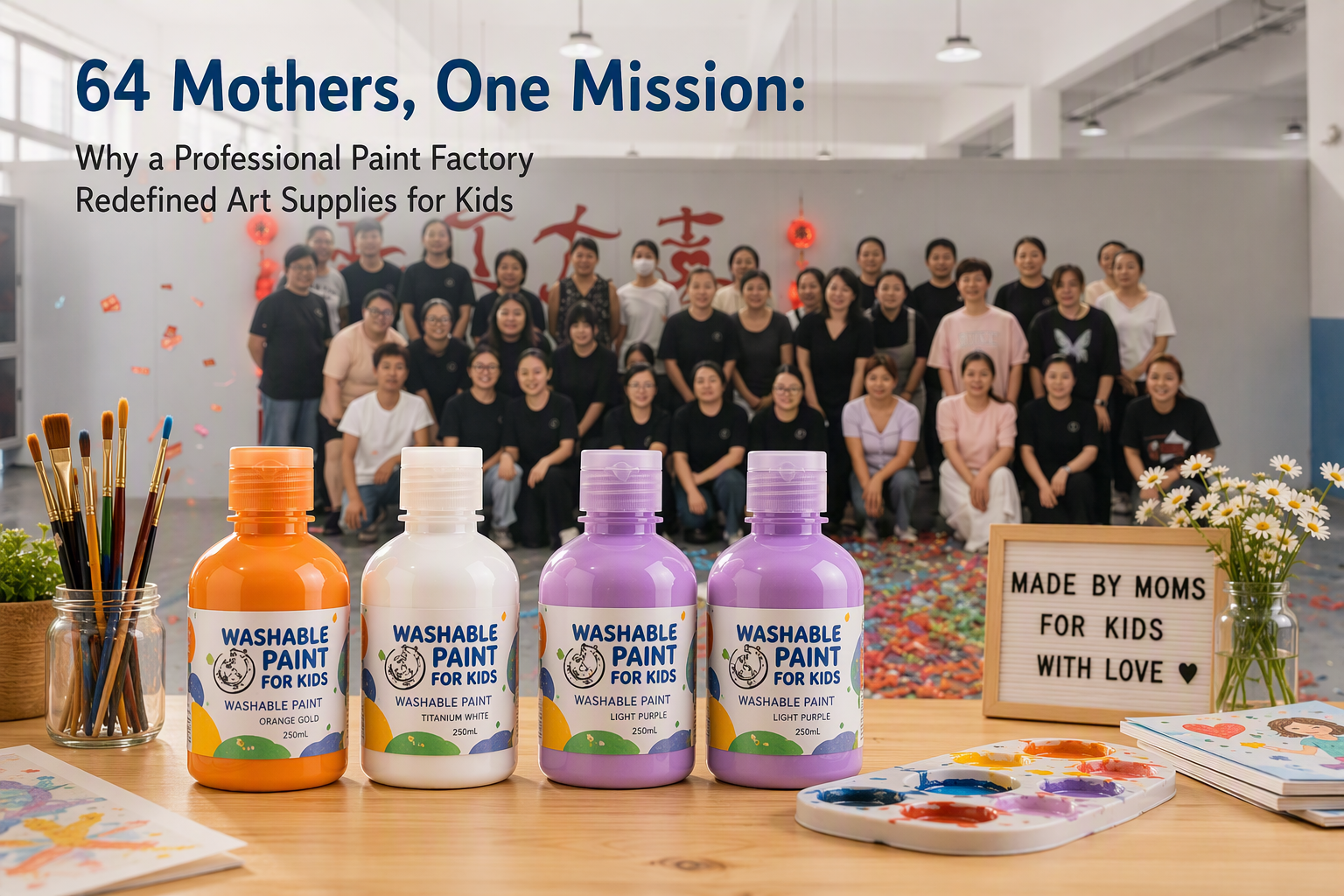
وراء الكواليس والقصة ٦٤ أمهات، مهمة واحدة: لماذا أعاد مصنع ألوان احترافي تعريف مستلزمات الفن للأطفال كيف حولت محادثة خلال وقت الغداء بين ٦٤ من العاملات الأمهات هندسة الفن الرفيع إلى ألوان الأطفال الأكثر أمانًا وقابلية للغسل
عرض المزيد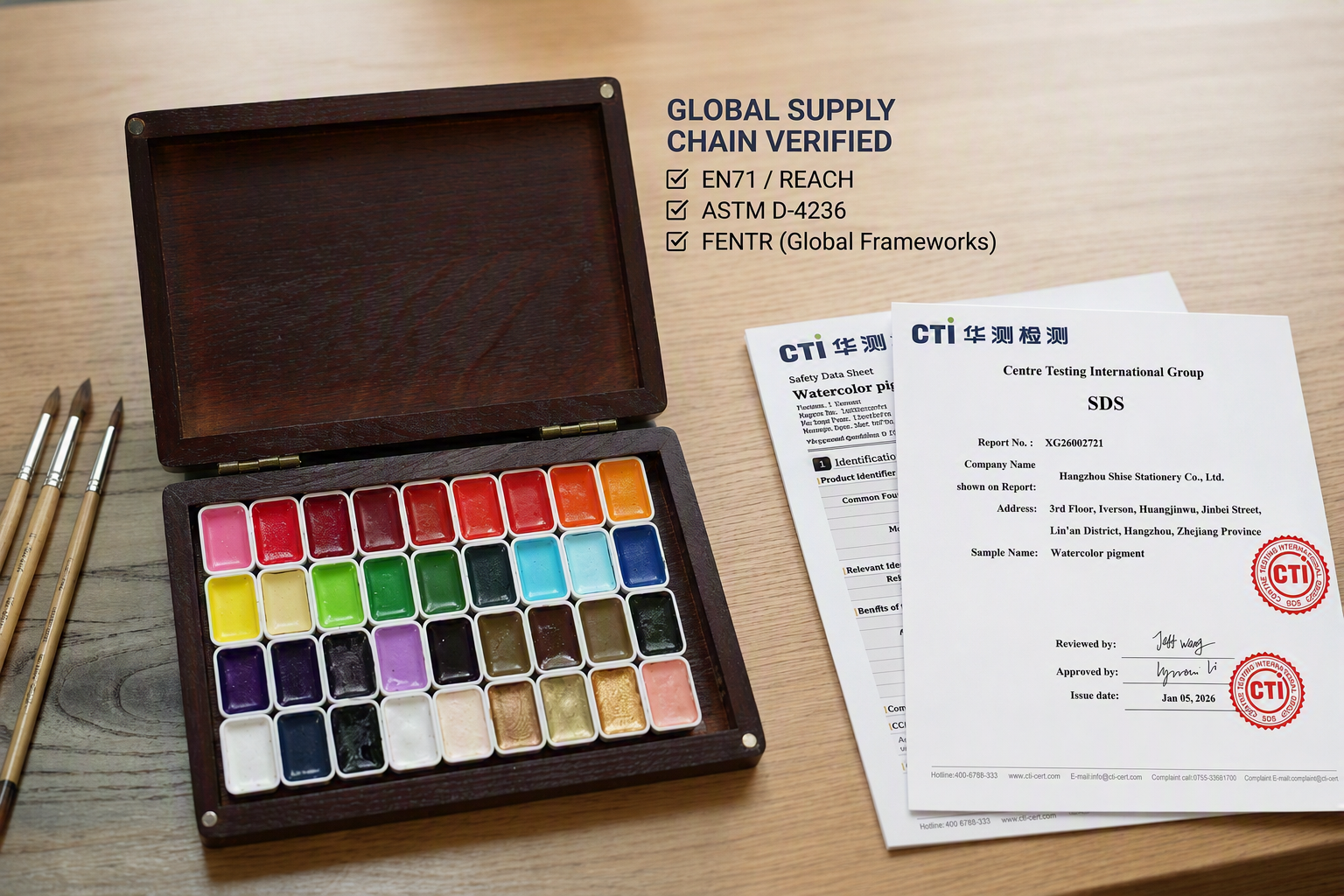
الشراء بين الشركات والامتثال: في مجال التوريد الدولي، لا قيمة لجودة المنتج أو أسعاره التنافسية من دون امتثالٍ تنظيميٍّ موثوقٍ. وإليك كيف يؤدي الوفاء بالمعايير منذ البداية إلى إغلاق الصفقات بشكل أسرع. وفي عمليات الشراء بين الشركات على المستوى الدولي...
عرض المزيد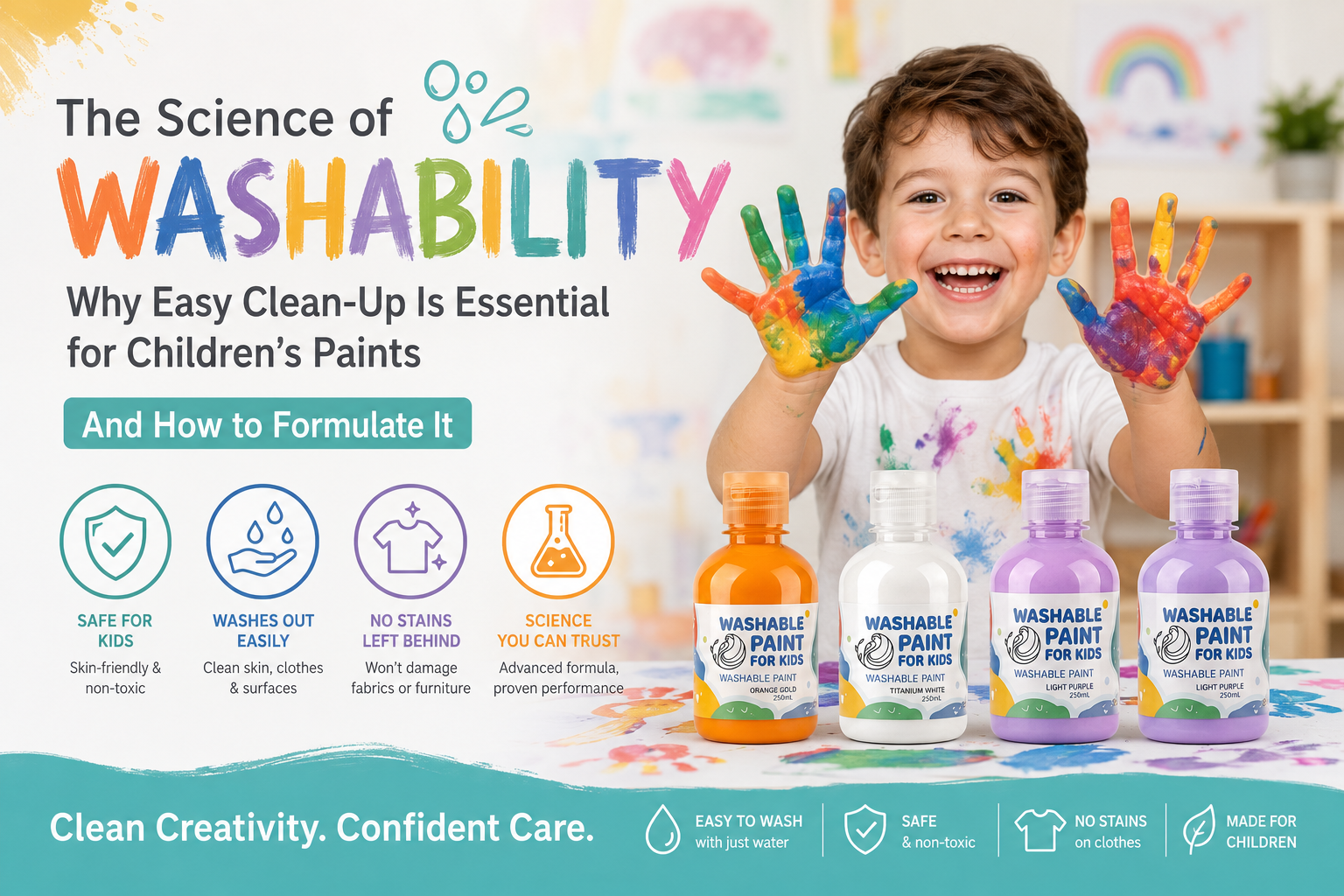
علم الصياغة ومعايير السلامة دليل تقني عن كيمياء الصياغة ذات الانجذاب العالي للماء، وتشتت الصبغة، والالتزام بالمعايير الدولية للسلامة. أ. لماذا "قابلية الغسل" هي متطلب غير قابل للتفاوض لألوان الأطفال 1. الجلد و...
عرض المزيد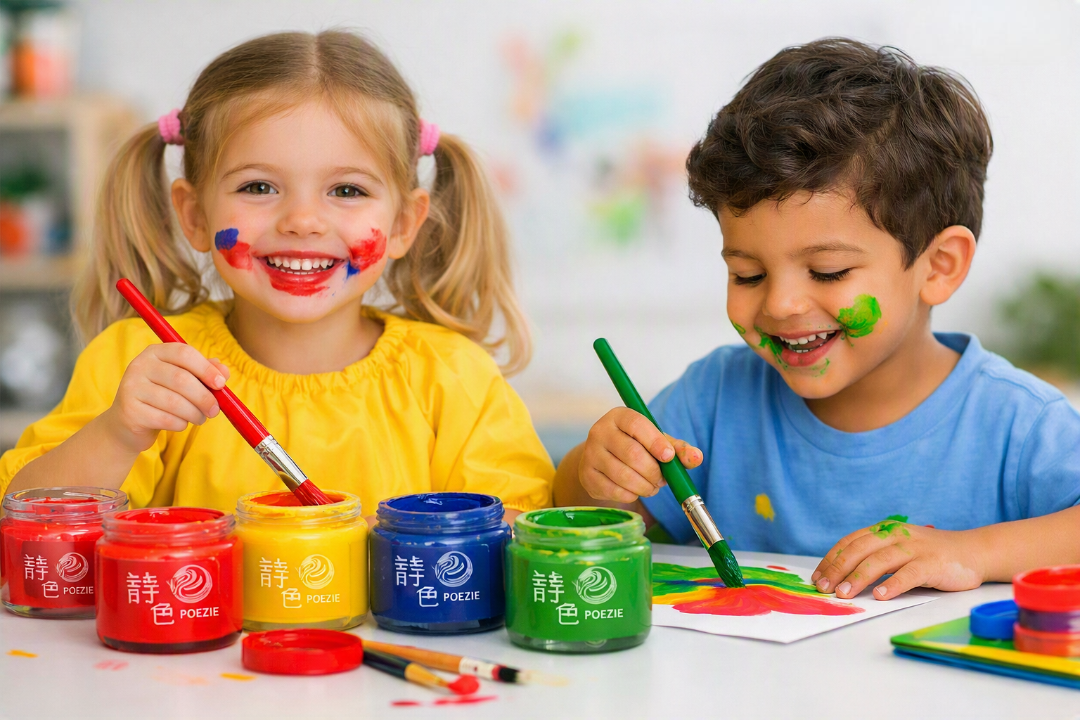
الامتثال للأمان والهندسة الكيميائية: في تحليلنا السابق، استعرضنا تركيبات الأمان المعقدة، والكيمياء الغروية، وعمليات الإنتاج الصناعي المطلوبة لدهانات الأطفال القابلة للأكل عالية الأداء. ومع ذلك، فإن وجود خطرٍ كامنٍ...
عرض المزيد
التركيبات وهندسة السلامة: مقدمة — حيث يلتقي الأمان بالإبداع. يُعد الدهان أداةً أساسيةً في التطور الفني للأطفال. لكن الميل الطبيعي للأطفال الصغار إلى استكشاف العالم عبر أفواههم يثير مخاوف...
عرض المزيد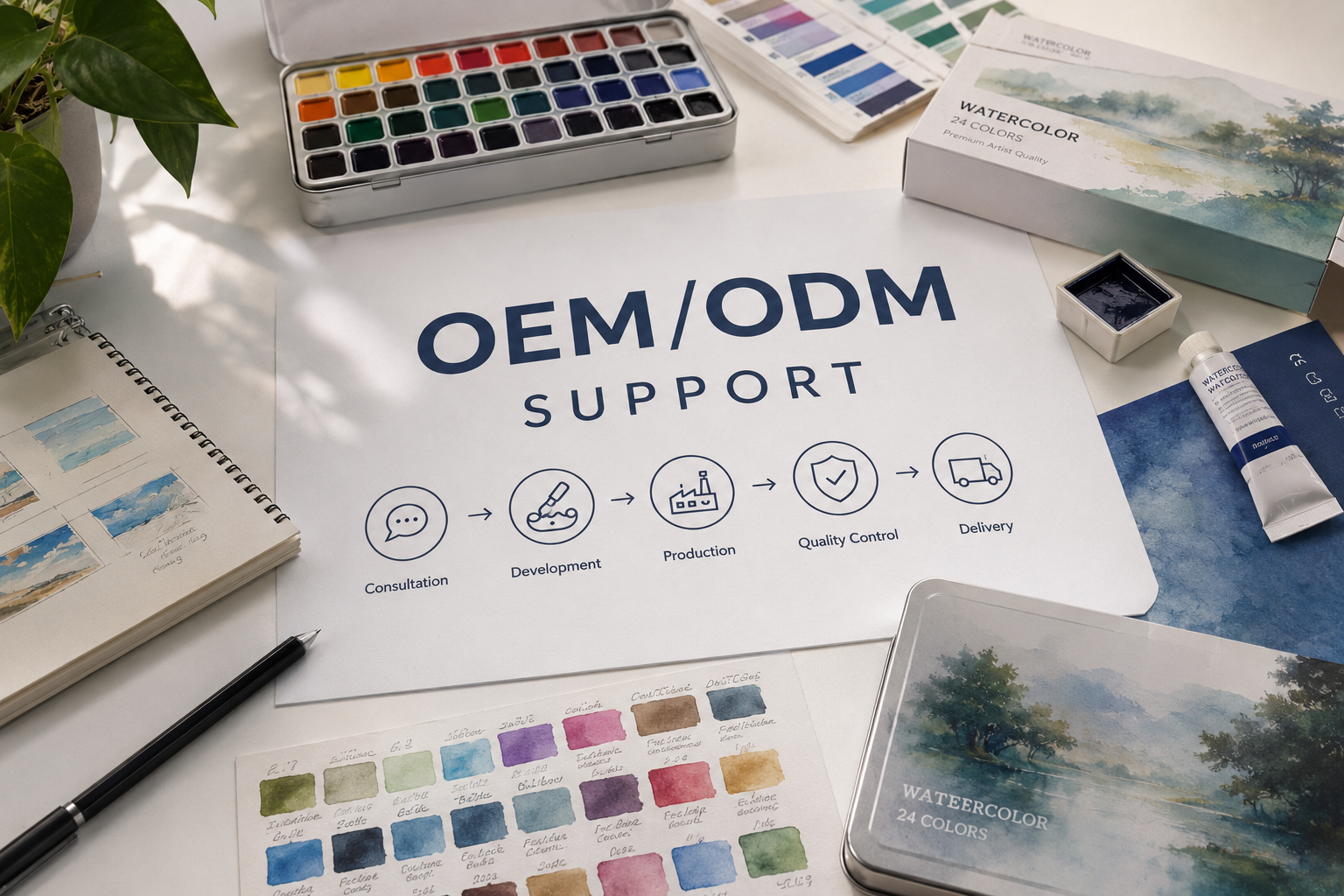
تصنيع ألوان الماء وفق طلب العميل (OEM) والدليل التجاري بين الشركات (B2B): يتطلّب التنقّل في مجال تصنيع ألوان الماء وفق طلب العميل شريكًا يوازن بدقة بين الدقة الفنية والقدرة الإنتاجية الصناعية. سواء كنت توسّع علامة فنية راسخة أم...
عرض المزيد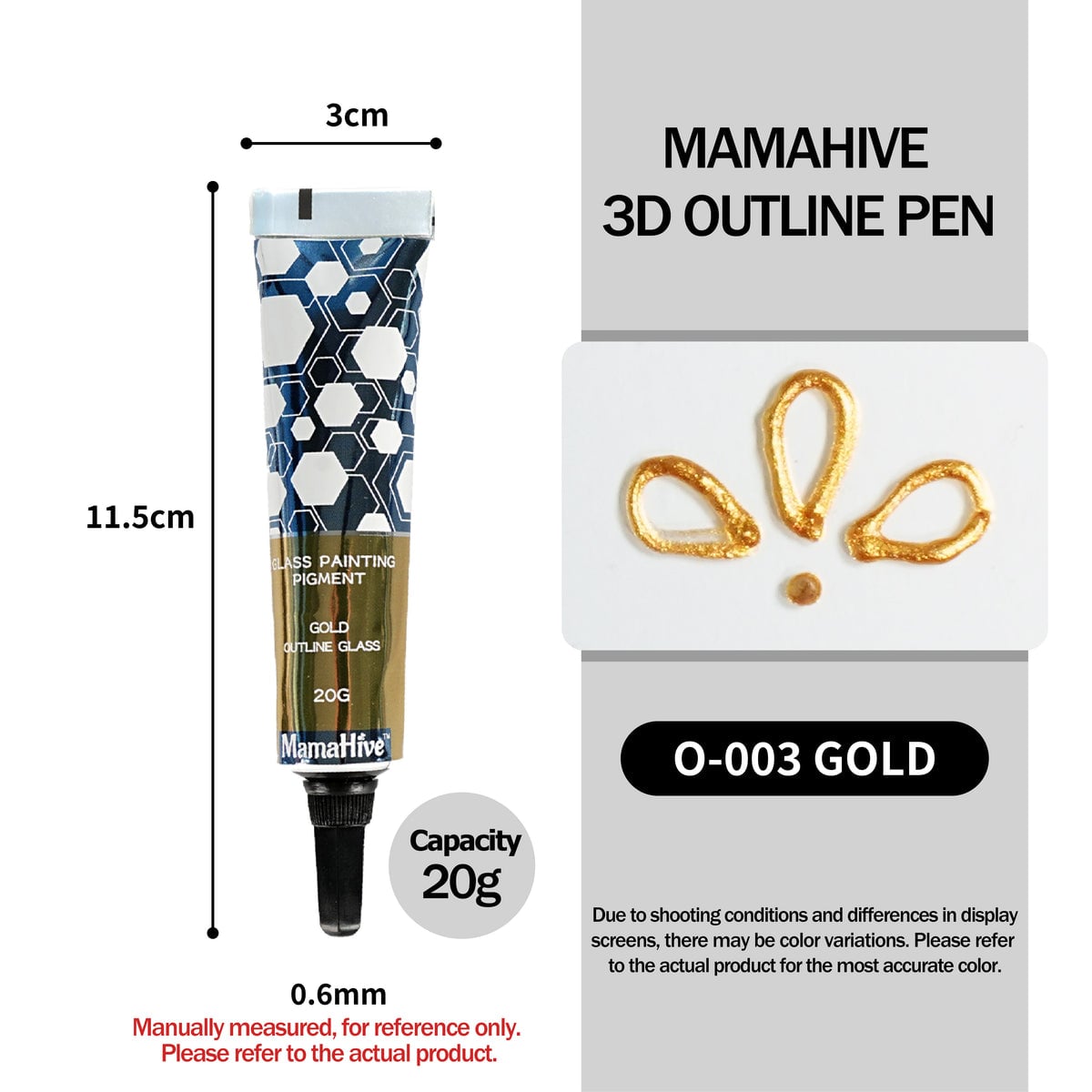
نصائح واستعراضات الاستوديو: إتقان الخط المرتفع: كيفية استخدام مُحدِّدات الزجاج ثلاثية الأبعاد لتحقيق تأثيرات زجاج ملوَّنٍ مثالية. من قِبل فريق استوديو بويزي • ٢٥ يونيو ٢٠٢٦ • قراءة تستغرق ٧ دقائق. هناك شيءٌ ما يجذب الانتباه بشكلٍ فريدٍ عند النظر عبر الزجاج الملوَّن المُرسوم...
عرض المزيد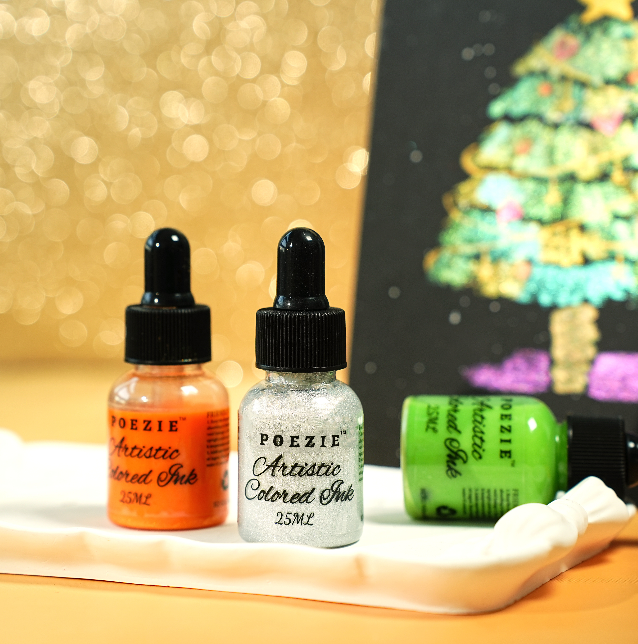
لماذا تُعَدّ السيطرة على اللزوجة أساسيةً في أداء الحبر الأكريليكي؟ اللزوجة بوصفها «حارسة رئيسيّة» للمواصفات اللدنية: تأثيرها على التدفق والتسوية والرَّشّ والتبليل الفعّال للركيزة. تؤدي اللزوجة دور «الحارسة الرئيسيّة» للمواصفات اللدنية في أداء الحبر الأكريليكي — وهي تؤثّر بشكل مباشر...
عرض المزيد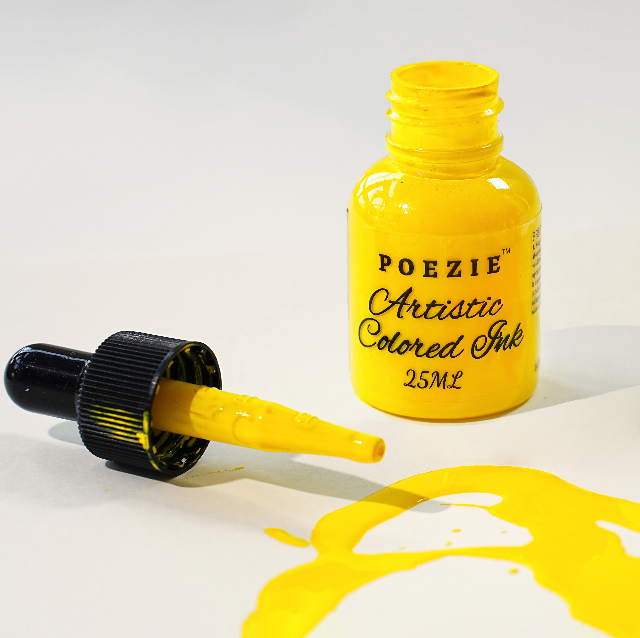
لماذا تكتسب اللزوجة أهميةً بالغةً في أداء الحبر الأكريليكي بالجملة؟ إن مستوى اللزوجة يحدّد فعليًّا مدى كفاءة أداء الحبر الأكريليكي بالجملة بشكل عام. فهي تؤثّر في كل شيء، بدءًا من طريقة انتقال الحبر عبر معدات الطباعة ووصولًا إلى طريقة التصاقه بأنواع مختلفة من المواد...
عرض المزيد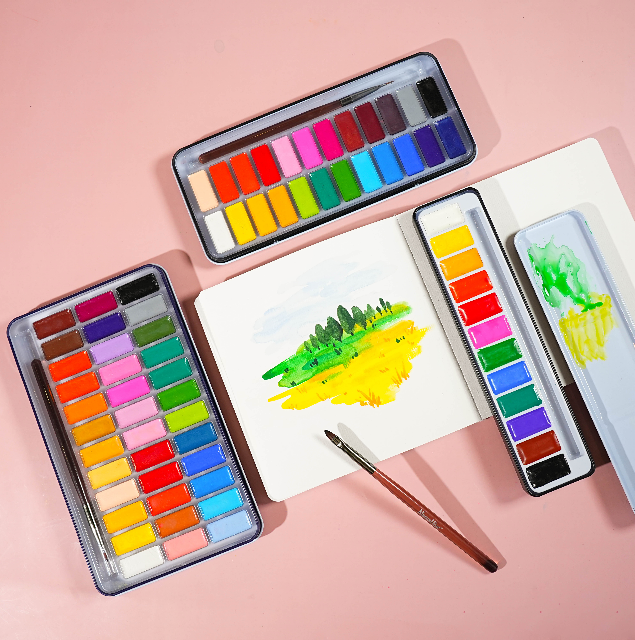
ما المقصود بشهادة ACMI AP الخاصة بألوان الماء؟ شرح شهادة AP: ضمان خلوّ ألوان الماء من السُّمّية للاستخدام في الصفوف الدراسية. إن ختم ACMI AP الموجود على ألوان الماء يعني أن هذه الألوان خضعت لفحصٍ دقيقٍ من قِبل متخصصين طبيين لتقييم مخاطر السلامة...
عرض المزيد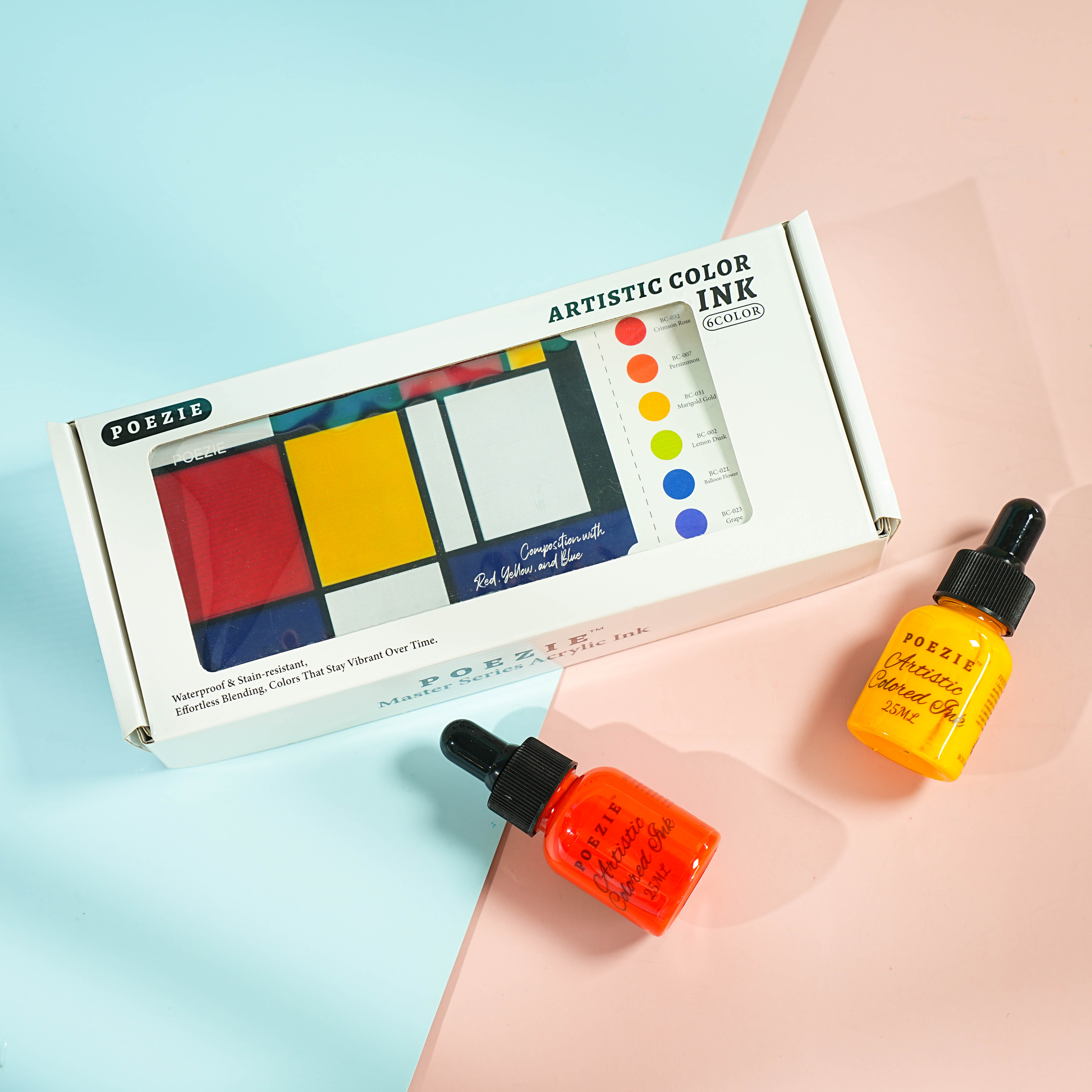
الظروف البيئية المثلى لاستقرار حبر الأكريليك التحكم في درجة الحرارة: الحفاظ على نطاق ١٠–٢٥°م للحفاظ على الخصائص الرحيولوجية وسلامة المادة الرابطة إن أداء حبر الأكريليك يبدأ فعليًّا في التدهور عندما تتجاوز درجات الحرارة النطاق من ١٠ إلى ٢٥ درجة مئوية...
عرض المزيد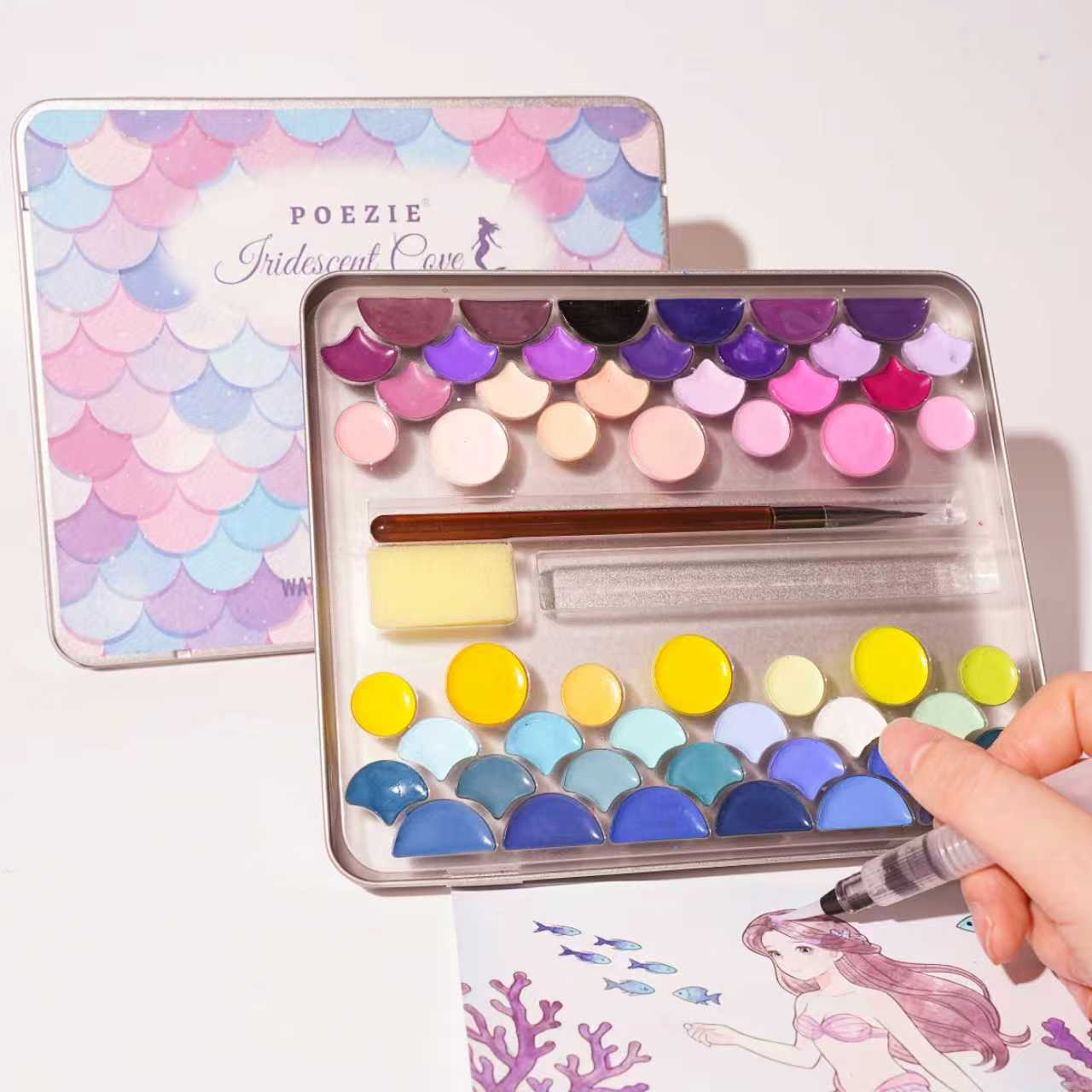
لماذا تكتسب المواصفة القياسية EN71-3 أهميةً بالغةً بالنسبة لألوان الماء؟ يعتقد الكثيرون أن ألوان الماء آمنة لأنها تذوب في الماء. لكن الواقع يختلف تمامًا. فهذه الألوان تحتوي في الواقع على أصباغ تطلق معادن ثقيلة خطرة مثل الكادميوم والرصاص عند...
عرض المزيد
حقوق الطبع والنشر © ٢٠٢٦ لصالح شركة هانغتشو بوزي للمستلزمات المكتبية المحدودة. سياسة الخصوصية
 EN
EN